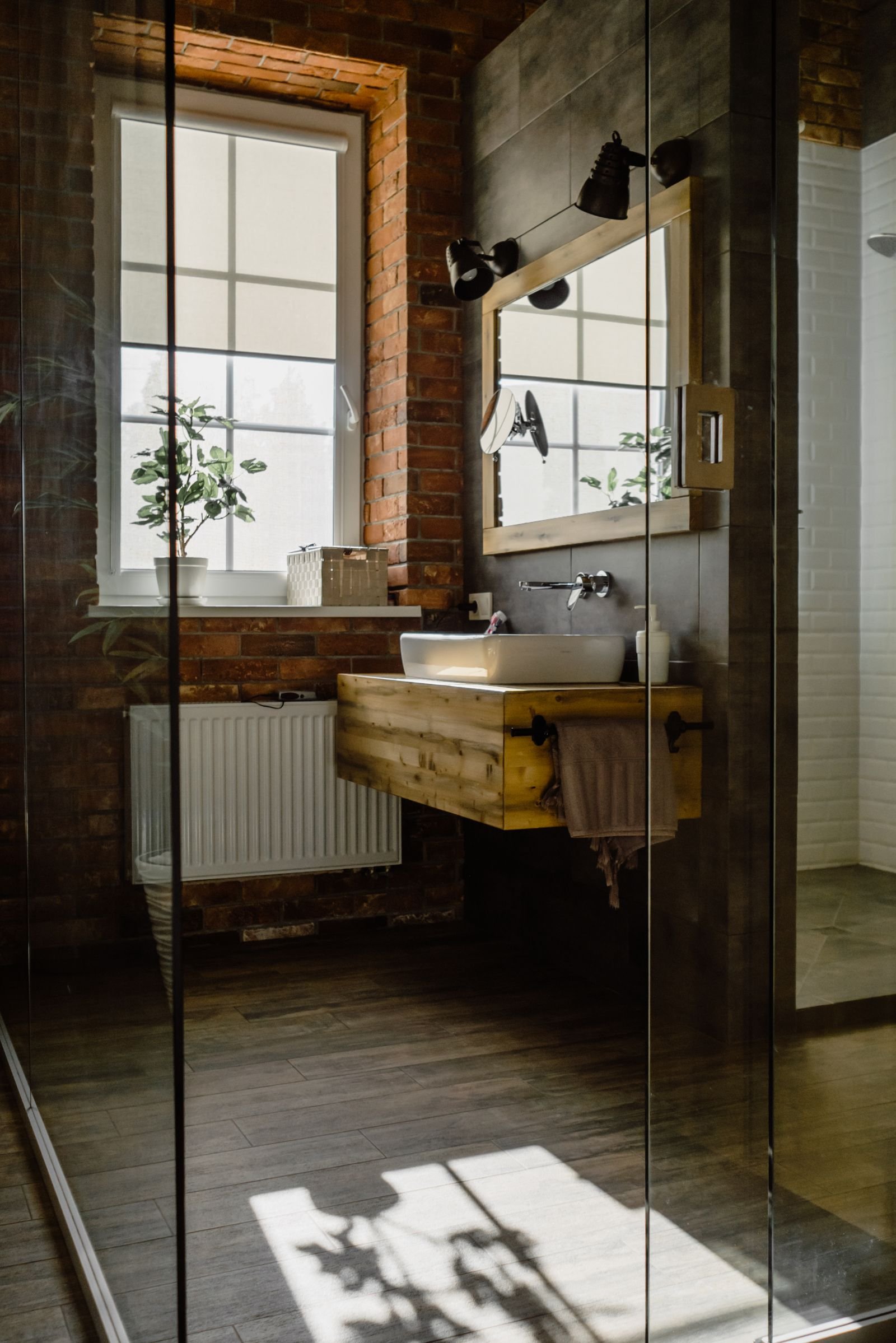
My bathroom is small enough that for two years, the spare toilet paper lived in the hallway. Not near the bathroom, in the hallway, in a bag, like we were camping. The towels rotated between the edge of the tub and a hook that was never quite dry, and every guest who stayed over got the same apologetic speech about where things were, which was nowhere sensible.
Then one evening I stood in there, annoyed, and actually looked at the wall above the toilet. It was completely empty. A good three feet wide, floor-to-ceiling nothing, in the one room where I was storing shampoo in the corridor. That wall is the most wasted storage in almost every small bathroom I have ever been in — and it is also the trickiest wall in the house to get right, because everything you put there has to survive steam, clear a tank lid, and not bonk a single head. These are the over the toilet storage ideas I have landed on after getting it wrong twice: what to measure first, which option suits renters, what honestly belongs up there, and how to style it so it reads spa, not storage unit.
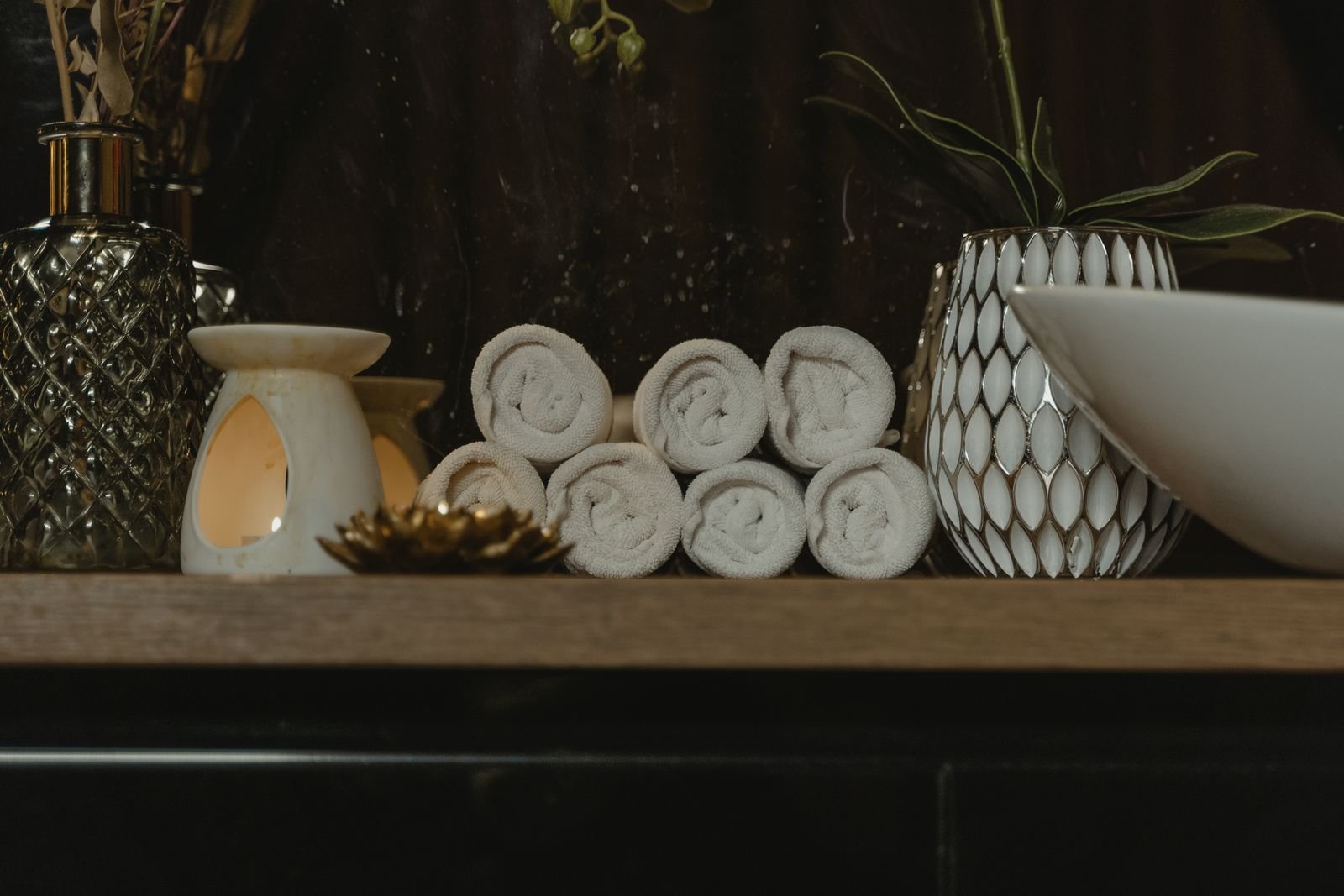
Measure First: Tank Access and Head Room Are Non-Negotiable
Before you fall for a single pretty shelf, measure. I say this as someone who installed two lovely floating shelves and then discovered, mid-flush-repair, that the tank lid could not come off without removing both of them and everything on them. The plumber was kind about it. My wallet was not.
- Leave the tank lid a clear path. Measure from the top of the tank to where your lowest shelf or cabinet bottom will sit, and leave at least a couple of inches of lift room — lids come up and slightly forward. If you cannot lift the lid cleanly, the storage is wrong, full stop.
- Protect the heads. Anyone sitting down and leaning back, or standing up quickly, meets that wall. Keep the lowest shelf high enough that a tall person leaning back feels air, not oak. In my bathroom that meant starting shelves noticeably higher than felt natural, and it has saved at least three skulls.
- Check the depth, twice. Most over-toilet storage works best shallow — around six to eight inches. Deeper than that and the room starts to feel like it is leaning over you, and reaching the back becomes a stretch over a porcelain obstacle course.
- Find the studs, or plan around them. A shelf loaded with rolled towels and glass jars is heavier than it looks. If your fixings are going into plasterboard alone, use proper anchors rated for the weight, and be honest about what “rated” means once steam gets involved.
If the wider room is also fighting you, our small bathroom organization ideas cover the whole space — this article stays on the one wall above the toilet, because that wall deserves its own plan.
Floating Shelves, Styled Like You Mean It
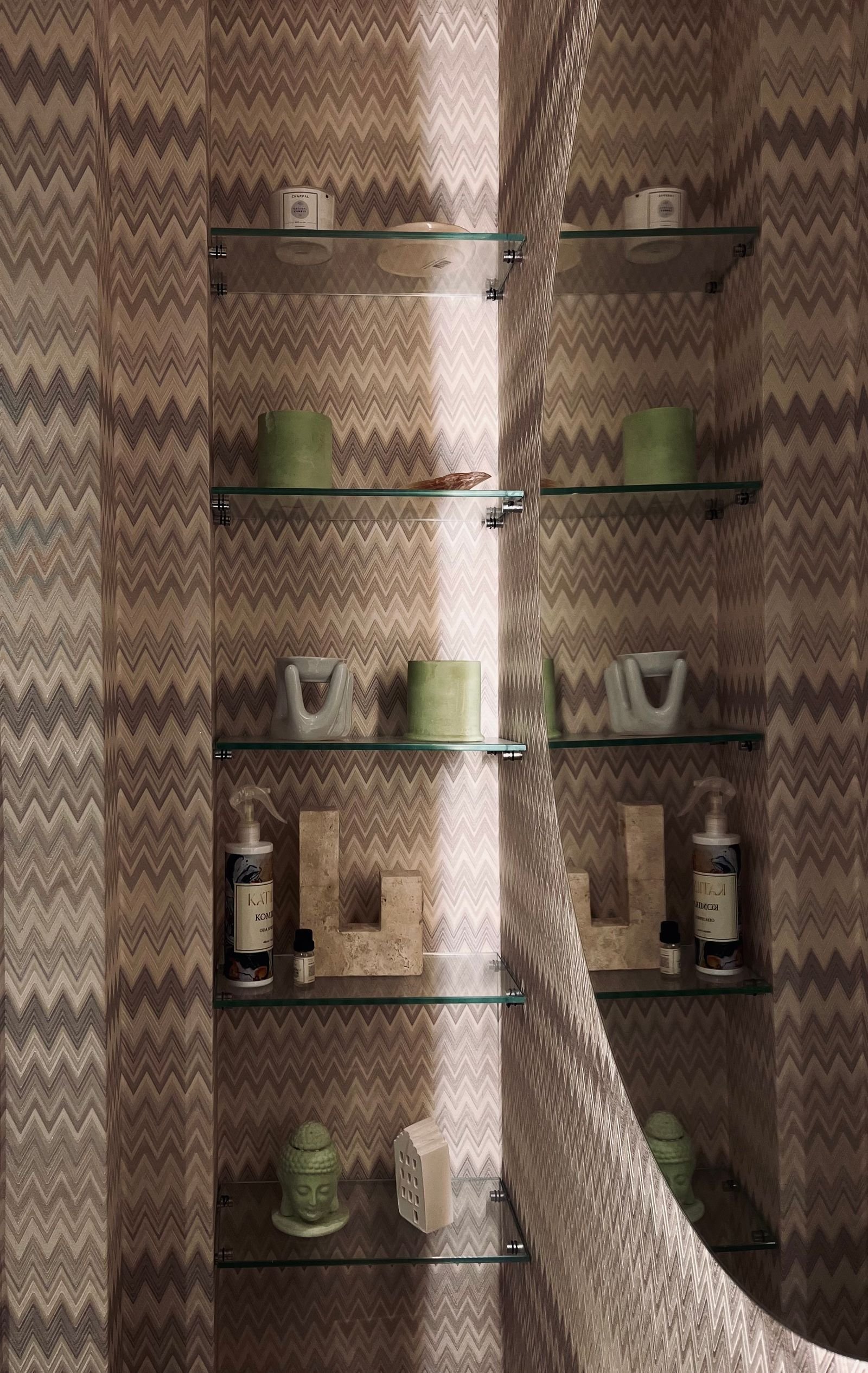
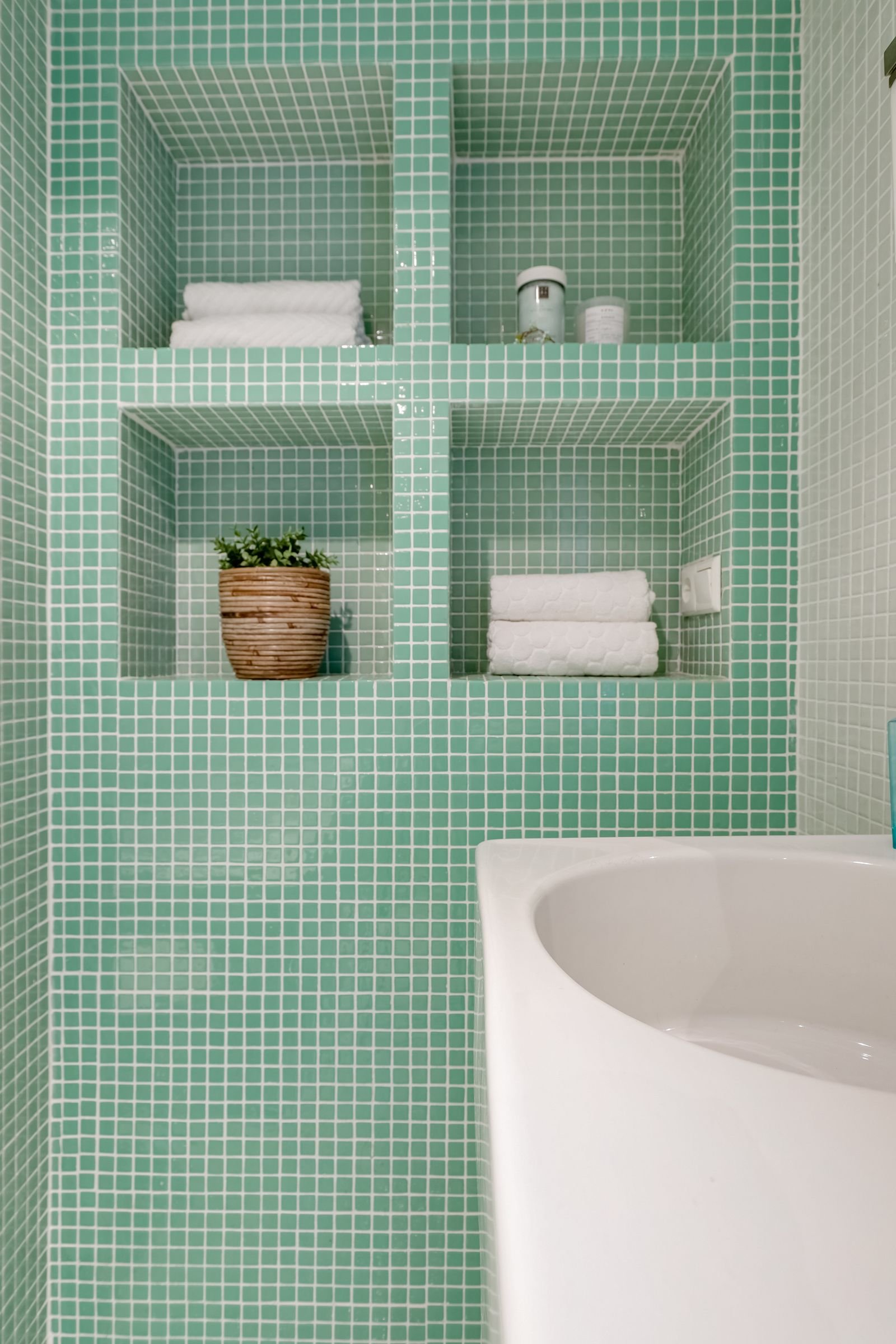
Two or three floating shelves are the classic answer, and they earn it: cheap, quick, and they hold the everyday things beautifully. A pair of decent wood shelves set me back about what a takeaway dinner costs, and they transformed the room in an afternoon. The difference between shelves that look styled and shelves that look like overflow is never the shelf. It is the editing.
- Roll towels, don’t fold them. Rolled towels fit the shallow depth, they read instantly as “spa,” and they forgive imperfect folding. A stack of three, same color family, does more for the room than any ornament.
- Group in threes, leave gaps. A small plant, a candle, a jar of cotton pads — then space. The empty inches are what make it look deliberate instead of desperate.
- Decant the ugly bottles. Cotton buds, bath salts and spare soaps in glass jars with lids look calm and keep the steam out. The half-used plastic bottles stay elsewhere, behind a door — which brings me to the next section.
- Repeat one material. All wood, all black metal brackets, all glass. One material repeated is the cheapest styling trick there is, and it works every single time.
One warning from my own shelves: keep the lowest shelf for the light, soft things. Heavy glass jars belong on the sturdiest shelf, well within easy reach — nobody should be stretching over a toilet holding a full jar of bath salts above their head. Ask me how I know. Ask me about the bath salts.
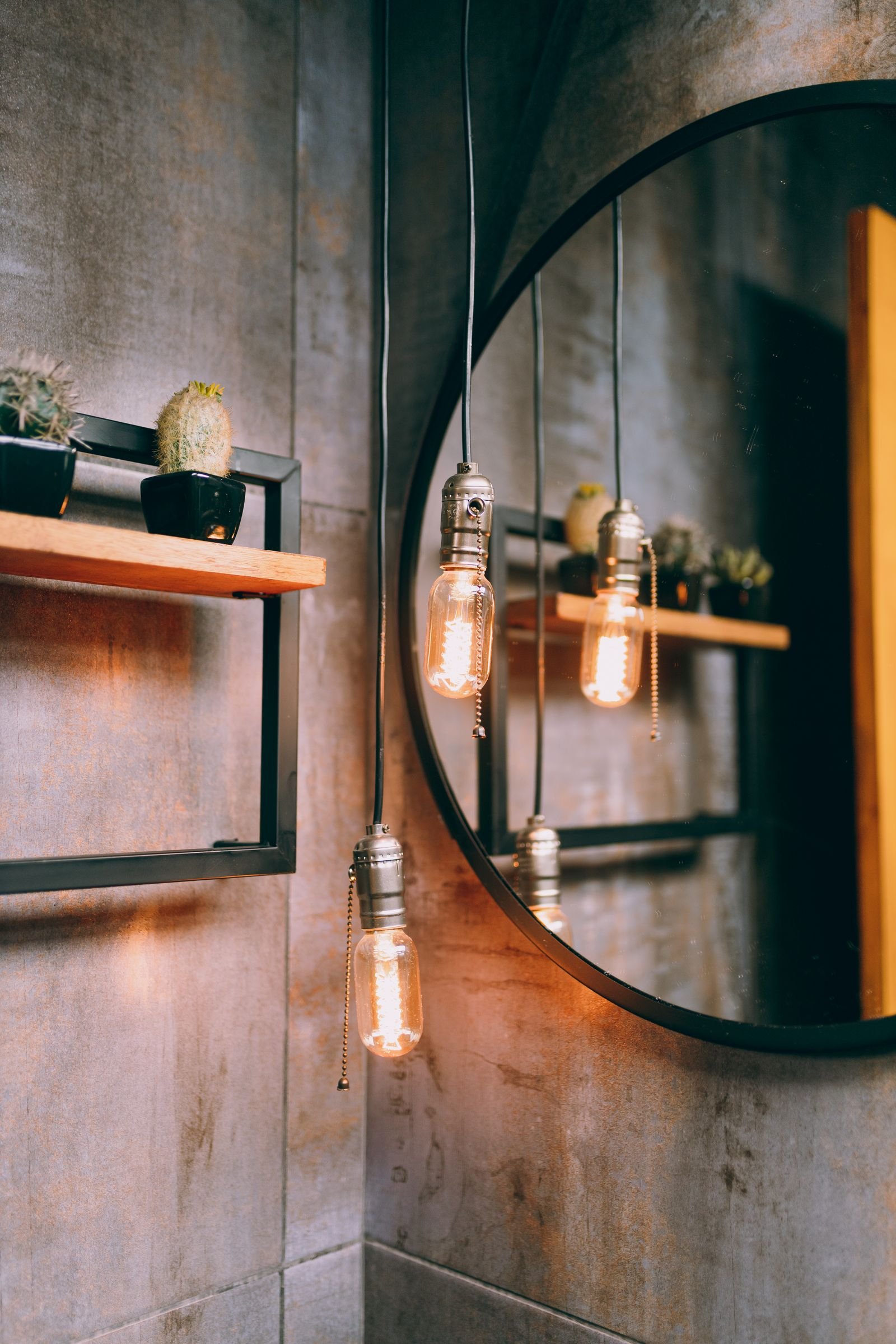
A Closed Cabinet for the Ugly Stuff
Open shelves are for the pretty ninety percent of bathroom life. The other ten percent — the plunger-adjacent supplies, the spare cleaning spray, the medicine-adjacent clutter, the fourteen hair ties and a razor collection — needs a door. A slim closed cabinet over the toilet is not the glamorous choice, but it is the honest one, and honestly it is the piece guests comment on most, because the room suddenly looks calm.
Look for a cabinet made for bathrooms, with a sealed finish, and check the door swing against your head-room measurements before you drill anything. Mine holds everything I never want to look at, and because it is closed, the open shelves beside it only have to carry towels and nice things. That division of labor — display on the shelves, dignity behind the door — is the whole secret of this wall.
If your bathroom has an awkward corner as well as a wasted wall, our corner storage ideas pick up exactly where this leaves off.
The Renter Hero: A Freestanding Ladder Étagère
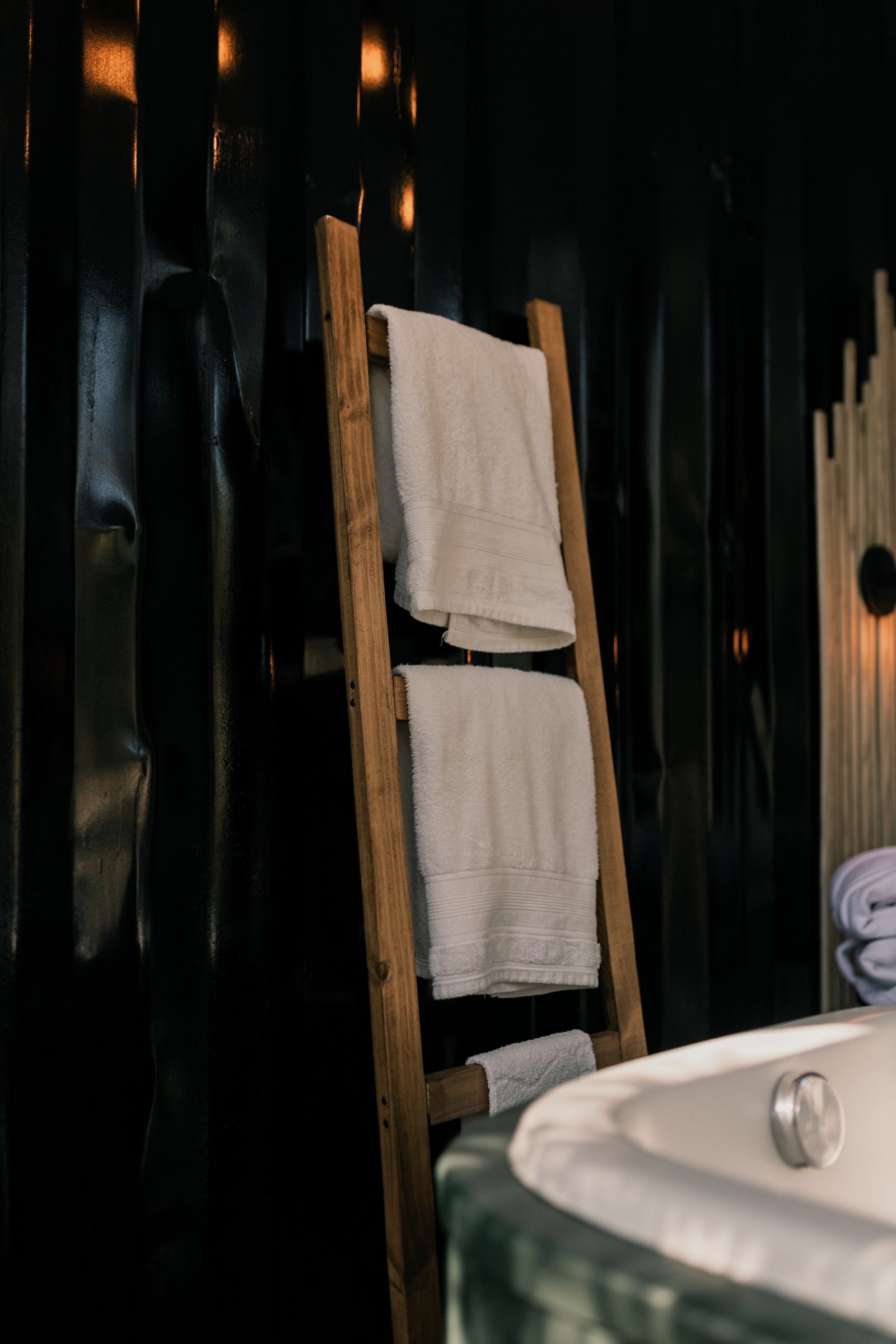
If you rent, this is your section. A freestanding over-toilet unit — the ladder-style étagère that straddles the tank, with two or three shelves rising behind and above it — asks for zero holes in the wall. You assemble it around the toilet, level it, load it, and when you move out, it comes with you and your deposit stays intact. I used one for three years in a rental where the landlord’s feelings about drills were, let us say, theological.
What to check before you buy:
- The crossbar clearance. The lower bar or shelf has to clear your tank — measure your tank’s height and width and compare them to the unit’s inside measurements, not the outside ones on the box.
- Wobble. A tall, narrow unit behind a toilet will be nudged. Look for adjustable feet and, if the design allows it, an anti-tip strap you can attach with a removable adhesive hook rather than a screw.
- Material that can take steam. Powder-coated metal and bamboo hold up well. Cheap unsealed particleboard swells at the edges within a year — I have watched it happen, slowly, like a biscuit in tea.
Style it exactly like the floating shelves: rolled towels up top, a basket in the middle, one plant doing its cheerful best. Because it is furniture rather than a fixture, it also makes the room feel furnished — in a tiny rental bathroom, that is a small miracle.
Woven Baskets: The Soft Storage That Fixes Everything
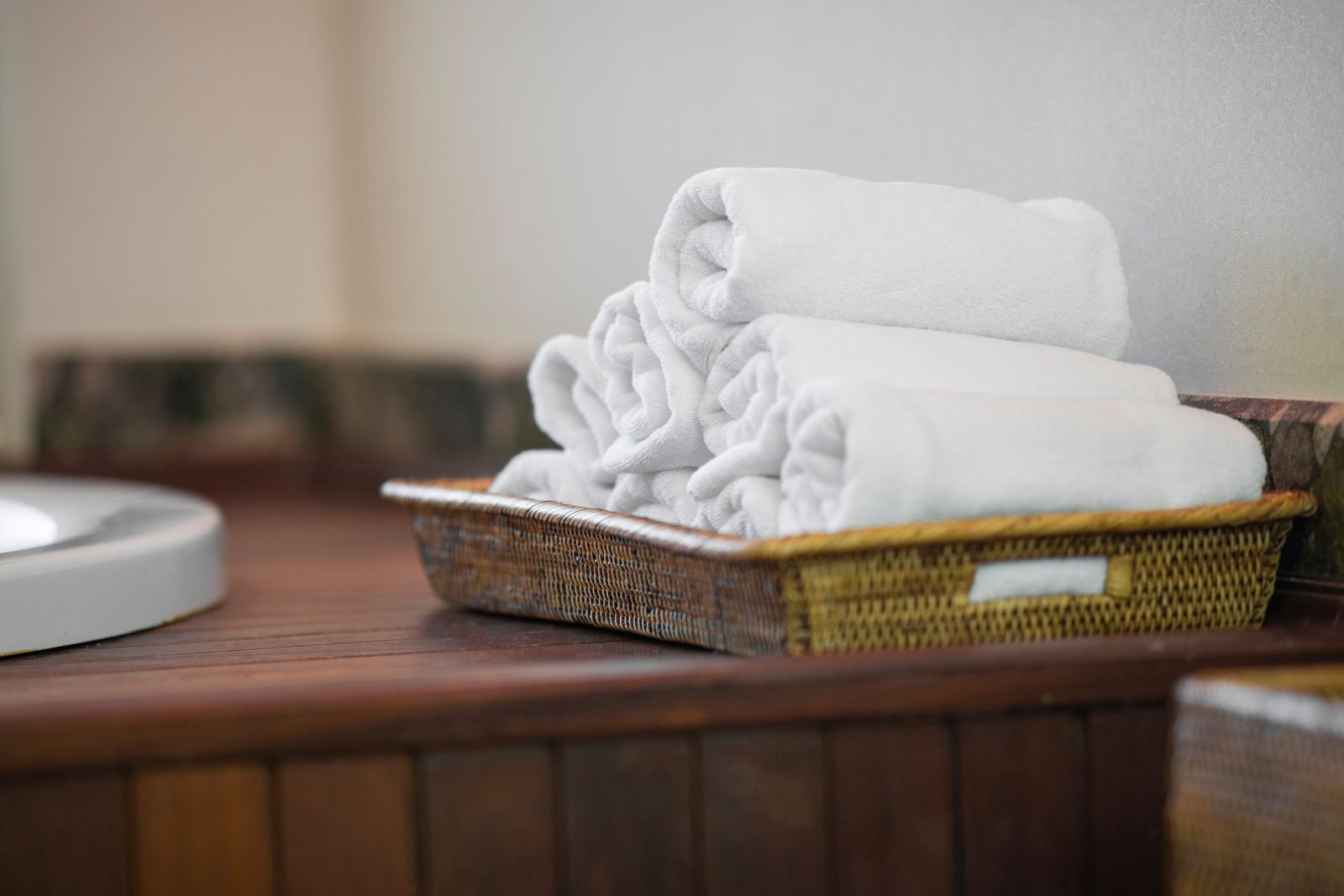
Whatever structure you choose — shelves, cabinet, étagère — baskets are what make it work day to day. A woven basket on an over-toilet shelf holds spare toilet rolls so they look like decor instead of stockpiling, corrals hand towels, and swallows the odd-shaped things that never sit neatly on a shelf.
- One basket per job. Paper in one, towels in another, guest bits — spare toothbrush, mini soap — in a third. The moment one basket becomes “miscellaneous,” the wall starts sliding back toward chaos.
- Line anything that lives in steam. If a basket holds paper, a simple fabric liner or keeping the rolls in their inner wrap until use keeps the damp at bay.
- Match the weave, vary the size. Same material, two or three sizes: it looks collected rather than matched-from-a-catalogue, which is a fine line and worth walking.
Baskets are also the budget move here. My three came from a charity shop and a market stall for less than one fancy storage box, and they are the thing people actually ask about.
What Should — and Should Not — Live Over a Toilet
Now the honest part, because this wall has limits and pretending otherwise ends in damp towels and a faintly tragic shelf.
Happy up there:
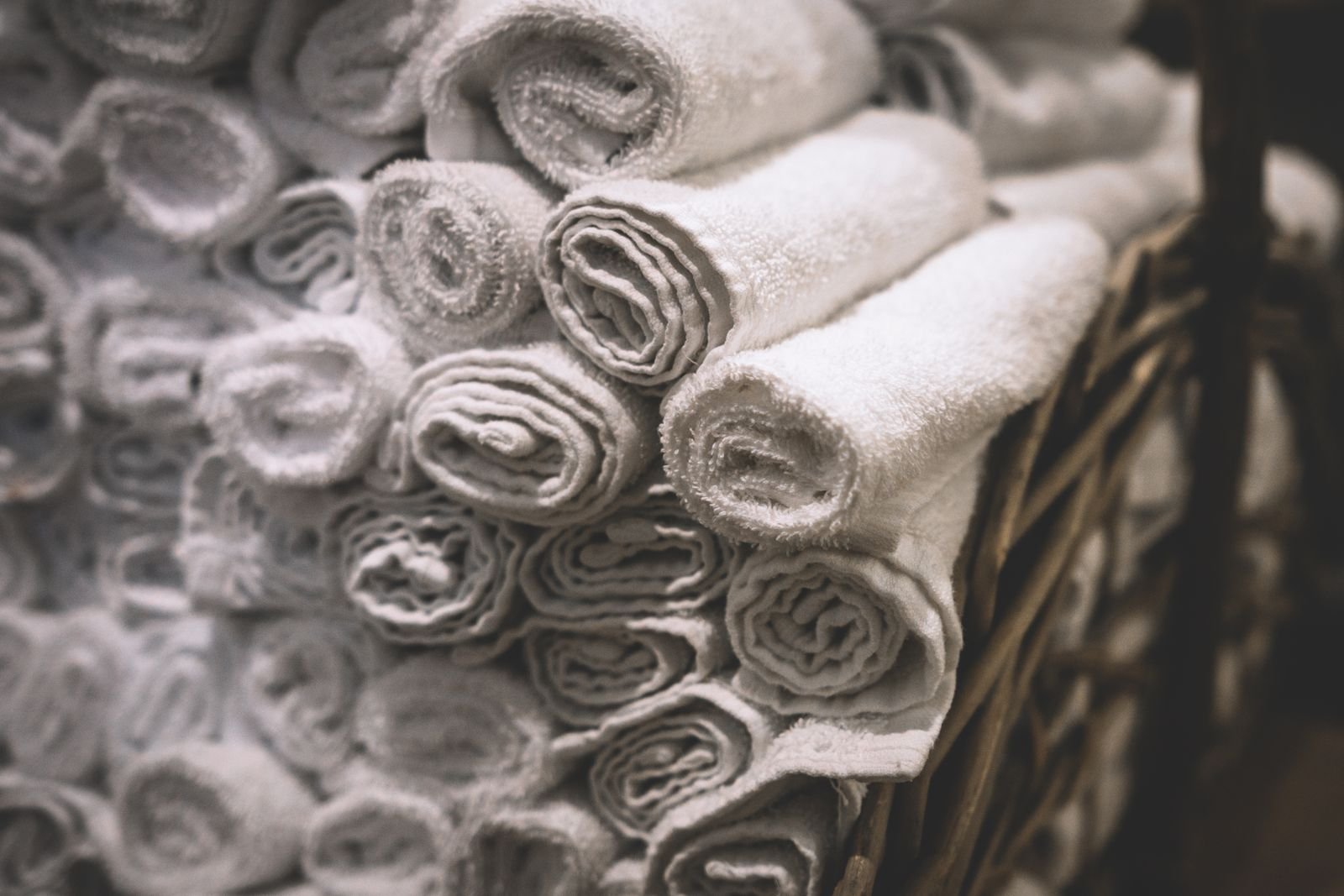
- Spare toilet paper — the perfect tenant: light, bulky, used exactly where it is stored.
- Rolled hand and bath towels — with a caveat below.
- Sealed extras — unopened soaps, cotton pads in lidded jars, a spare toothbrush still in its packet.
- A plant that tolerates humidity — a pothos or a fern will treat the steam like a holiday.
Think twice, or keep elsewhere:
- Towels in a steamy, ventless bathroom. If your bathroom has no fan and no window, towels stored in the open can pick up that musty, never-quite-dry smell. In that case, keep only the next towel or two up there and store the rest outside the room. I learned this in a flat with a bathroom like a rainforest.
- Anything precious or paper-based. Books, photos, good perfume and makeup all lose a slow war against humidity. The shelf over a toilet is a damp-adjacent address; furnish it accordingly.
- Heavy things up high, and anything you would hate to drop in a toilet. Phones get set down on tanks. Jars get knocked. Keep the top shelf light, soft and unbreakable, and let gravity have nothing interesting to work with.
- Cleaning chemicals within a child’s reach — that belongs in the closed cabinet, latched, or out of this wall entirely. And since we are being thorough: the space under the sink has its own rules and its own storage, covered properly in our under-sink organization ideas — I am not going to re-teach it here.
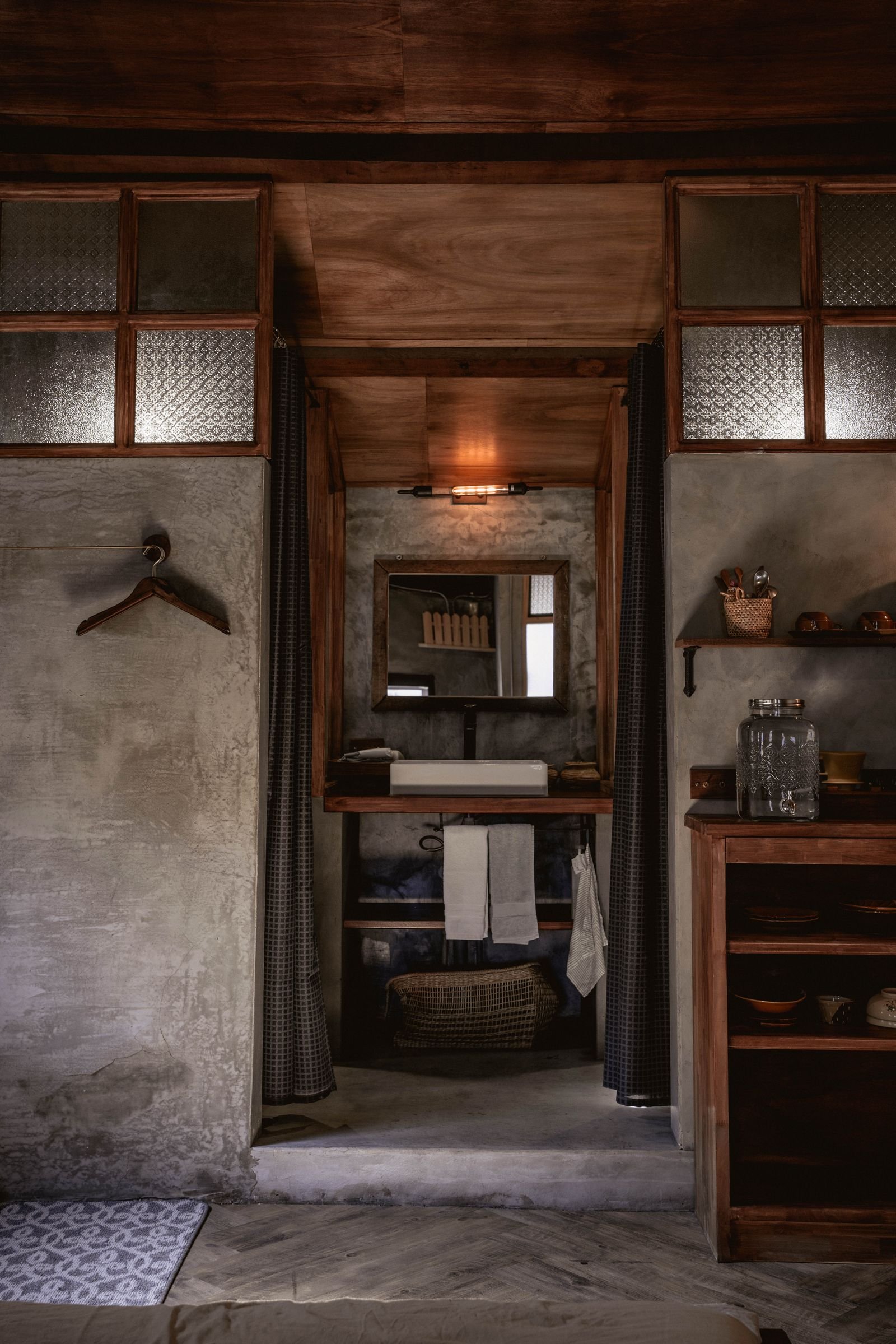
Styling Rules So It Reads Spa, Not Storage Unit
Everything above is storage. This part is the difference between storage and a room you like being in.
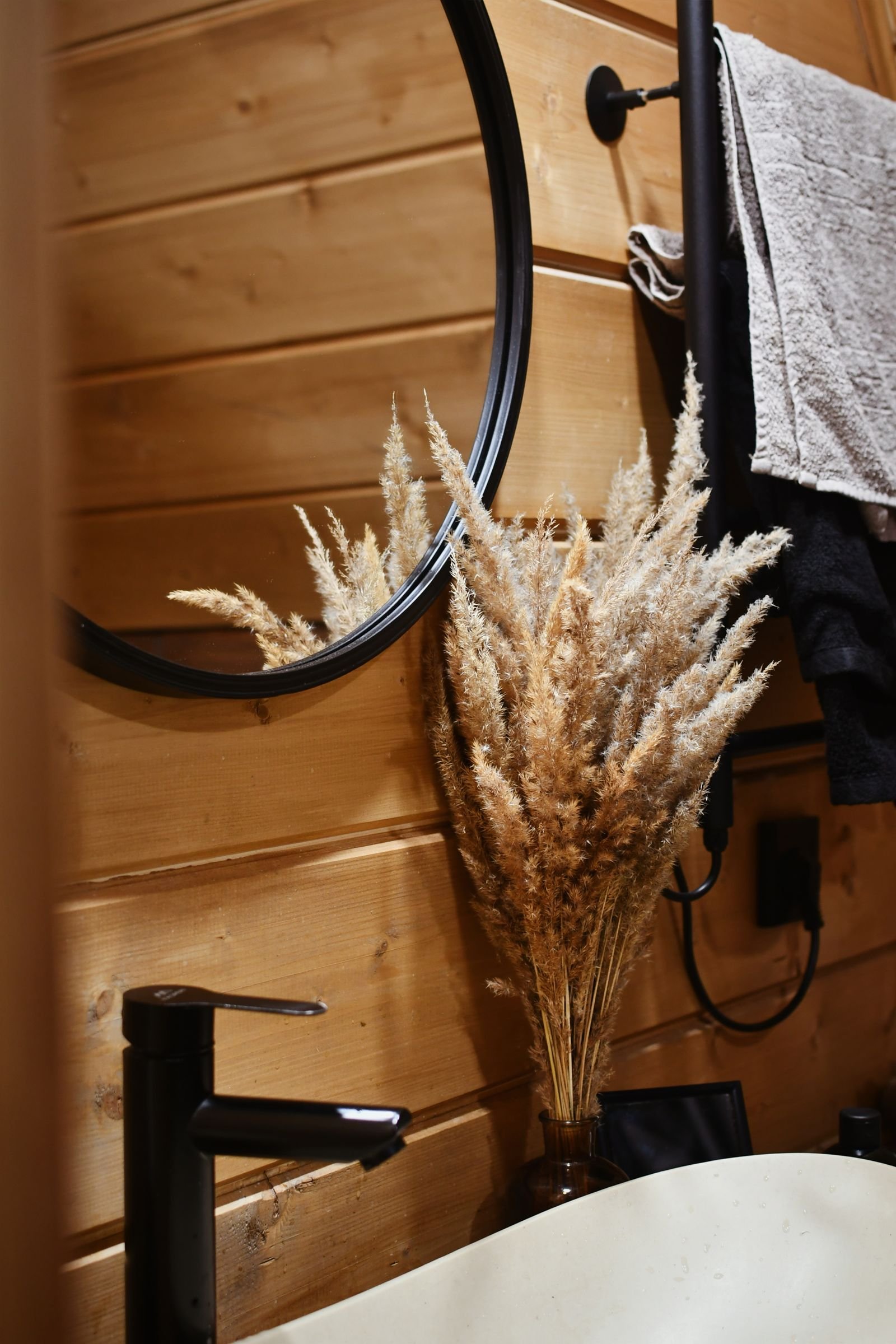
- One palette, three textures. White towels, warm wood, one green plant. Or black metal, glass and stone. Pick the palette, then let texture — weave, grain, leaf — do the decorating.
- Height with restraint. A trailing plant or a tall candle at one end, low rolls and jars at the other. The little skyline keeps the eye moving and stops the wall looking like a warehouse shelf.
- Warm light flatters everything. If your bathroom light is a harsh white bulb, changing it for a warm one costs almost nothing and does more for this wall than any accessory. Every photo in this article that made you go “oh, nice” has warm light in it. That is not a coincidence.
- Edit monthly, ruthlessly. Bottles creep back. When the shelf starts looking like a shop stockroom, take everything off, put back two-thirds, and find the rest a home behind the cabinet door.
The Bottom Line
Tonight, when you brush your teeth, look at the wall above your toilet and measure it with your eyes: a tank that needs its lid lifted, head room for the tallest person you know, and about three feet of completely free storage. Start with the option that fits your life — floating shelves if you own, the ladder étagère if you rent, a closed cabinet if your clutter needs a door — add baskets, roll the towels, and be honest about the steam. Mine went from hallway camping supplies to the calmest wall in my home for less than a nice dinner out, and the spare toilet paper has lived in the right room ever since. Small victories. In a small bathroom, they are the only kind — and they are plenty.