In my first apartment, there was a corner in the living room that I simply gave up on. It was too narrow for the bookshelf, too wide to ignore, and for about a year it held exactly one thing: a sad little pile of stuff I meant to deal with later — a tote bag, two picture frames, a plant that was quietly giving up on life. Then a friend came over, looked at it, and said the thing I have never forgotten: “You don’t have a storage problem. You have four empty corners in every room.”
She was right, and it changed how I see small homes. Corners are the most wasted real estate we own — dead triangles where two walls meet and nothing quite fits. But a corner will happily hold shelves, a cabinet, a ladder unit, a whole drop zone, if you ask it properly. Below are the corner storage ideas for small spaces that I have actually used, room by room, with honest notes on cost, renter-friendliness, and what each one is genuinely good for. No under-bed boxes, no over-door racks — you have heard those. This is about the corners.
First, Know What Kind of Corner You’re Working With
Not all corners want the same solution, and five minutes of measuring saves the classic mistake — I once ordered a corner shelf unit a full three inches too wide and got to enjoy it in its box, in the hallway, for a month. Learn from my hallway.
- Measure both walls, not just one. A corner unit needs the depth along each wall. Write down both numbers, plus the ceiling height if you are going tall.
- Check what’s already there. Baseboards steal about half an inch. Outlets, vents and radiators decide what can live in the corner — books near a radiator warp, and anything in front of a vent makes the whole room stuffy.
- Match the type to the corner. Floating and triangular shelves suit corners you still need to walk past. Ladder shelves lean into corners where the floor space is tight but the wall is free. True corner cabinets and floor-to-ceiling units are for corners that can become furniture — the ones nothing else is using anyway.
If you want the shortcut version of all this, it is why IKEA corner pieces sell the way they do. The BILLY corner bookcase has been turning dead living-room corners into libraries for decades, the IVAR system bends around corners with add-on corner shelves, and their little corner wall shelves cost less than a pizza. I am not precious about where corner storage comes from — my own hallway unit is secondhand, and my kitchen shelves were cut from a single board by a neighbor with a saw. What matters is the fit: a corner piece that is an inch too deep will wobble, catch every passing hip, and annoy you daily, while one that truly fits disappears into the room and just works.
One honest rule before you buy anything: the corner has to stay reachable. Storage you cannot get to without moving a chair is just a prettier junk pile. If you are working through a whole small apartment rather than one room, our small apartment organization ideas zoom out to the full layout — this article stays in the corners.
Bedroom Corners: The Two Feet You Forgot You Had
The bedroom corner is usually where the laundry chair lives. You know the chair. Everyone has the chair. The fix that worked for me was embarrassingly simple: a small corner shelf unit, three or four tiers, standing exactly where the chair stood. Same footprint — completely different job.
What earns its place in a bedroom corner:
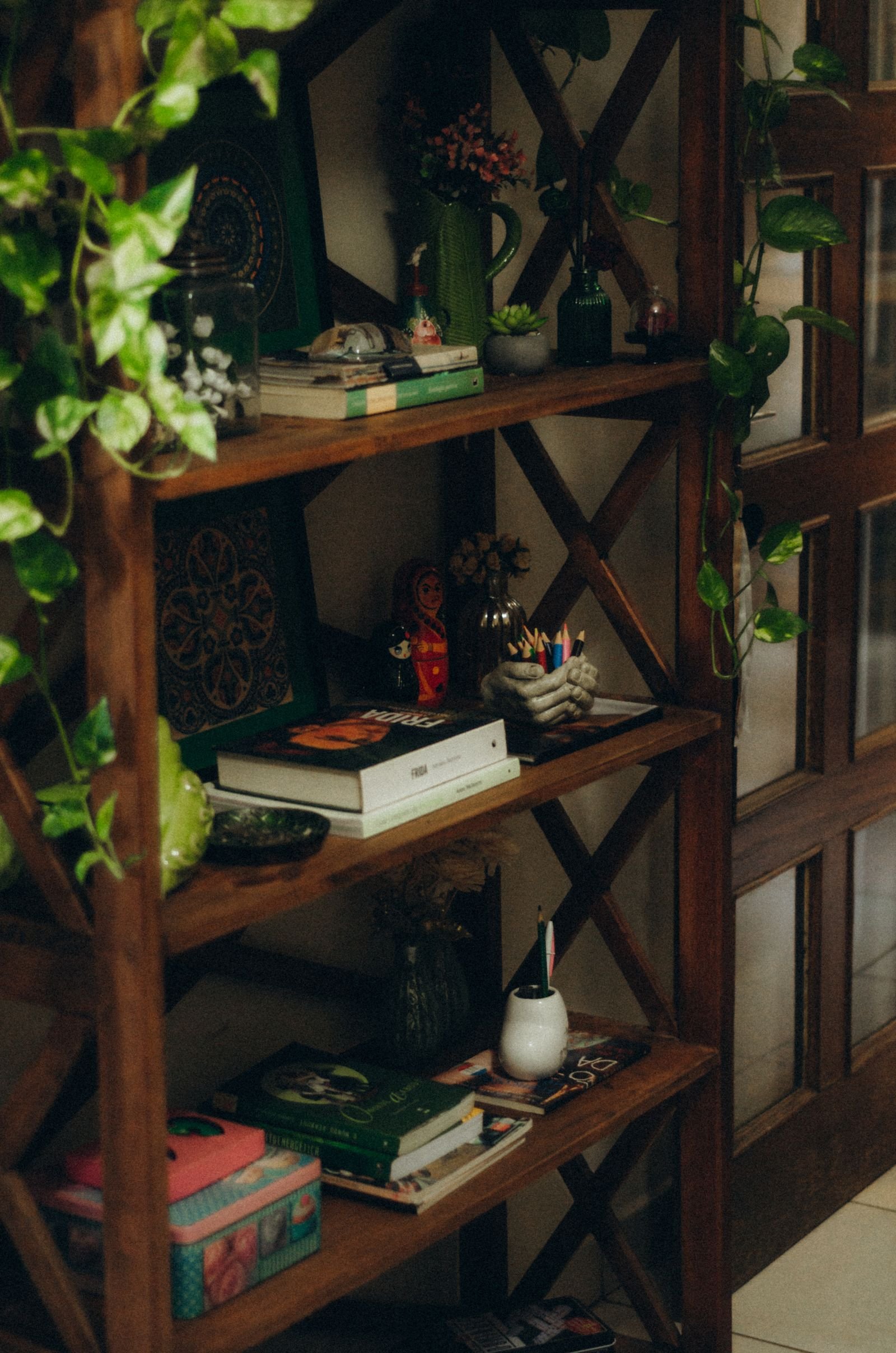
- A small ladder shelf for the bedtime stack: current book, water glass, glasses case, the hand cream you swear you’ll use. It leans, so it needs no fixing, and it reads as furniture rather than storage.
- Floating triangular shelves above nightstand height, for the pretty things that otherwise colonize the dresser — perfume bottles, a small plant, framed photos.
- A corner clothes rail or a slim corner cabinet if your closet is the real problem. A cabinet with a door matters here: bedroom corners collect visual noise, and being able to close it away is the difference between calm and cluttered.
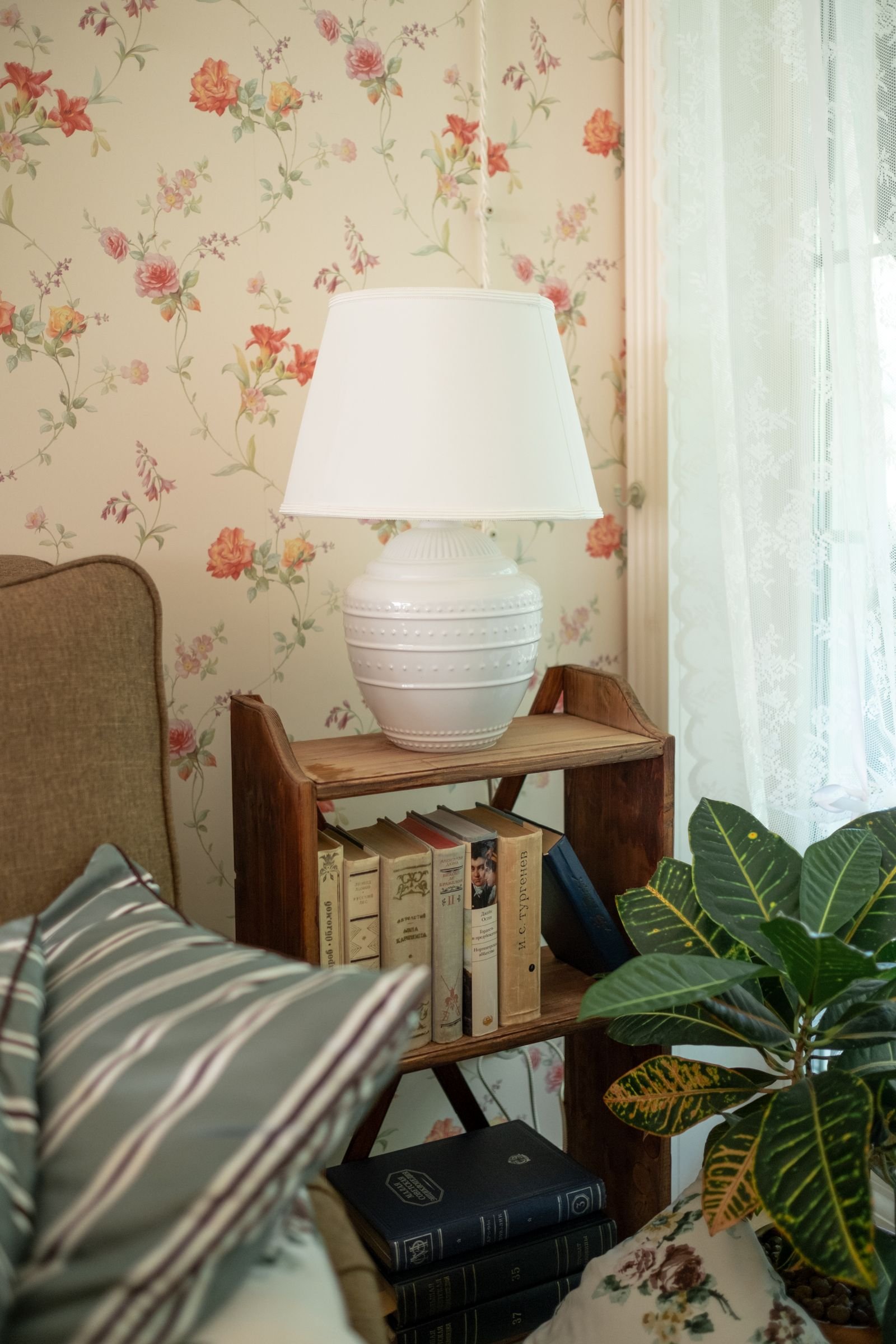
Keep the styling soft. Bedrooms punish anything that looks like an office, so baskets and fabric bins beat clear plastic every time, and one small lamp on a corner shelf does more for the room than any organizer ever will.
Kitchen Corners: Where Cabinets Go to Waste Space
Kitchen corners are where storage goes to die — that deep cabinet corner where the blender from 2019 is still sitting, unreachable, judging you. The corner itself is not the problem. The shape of what we put in it is.
The fixes, from cheapest up:
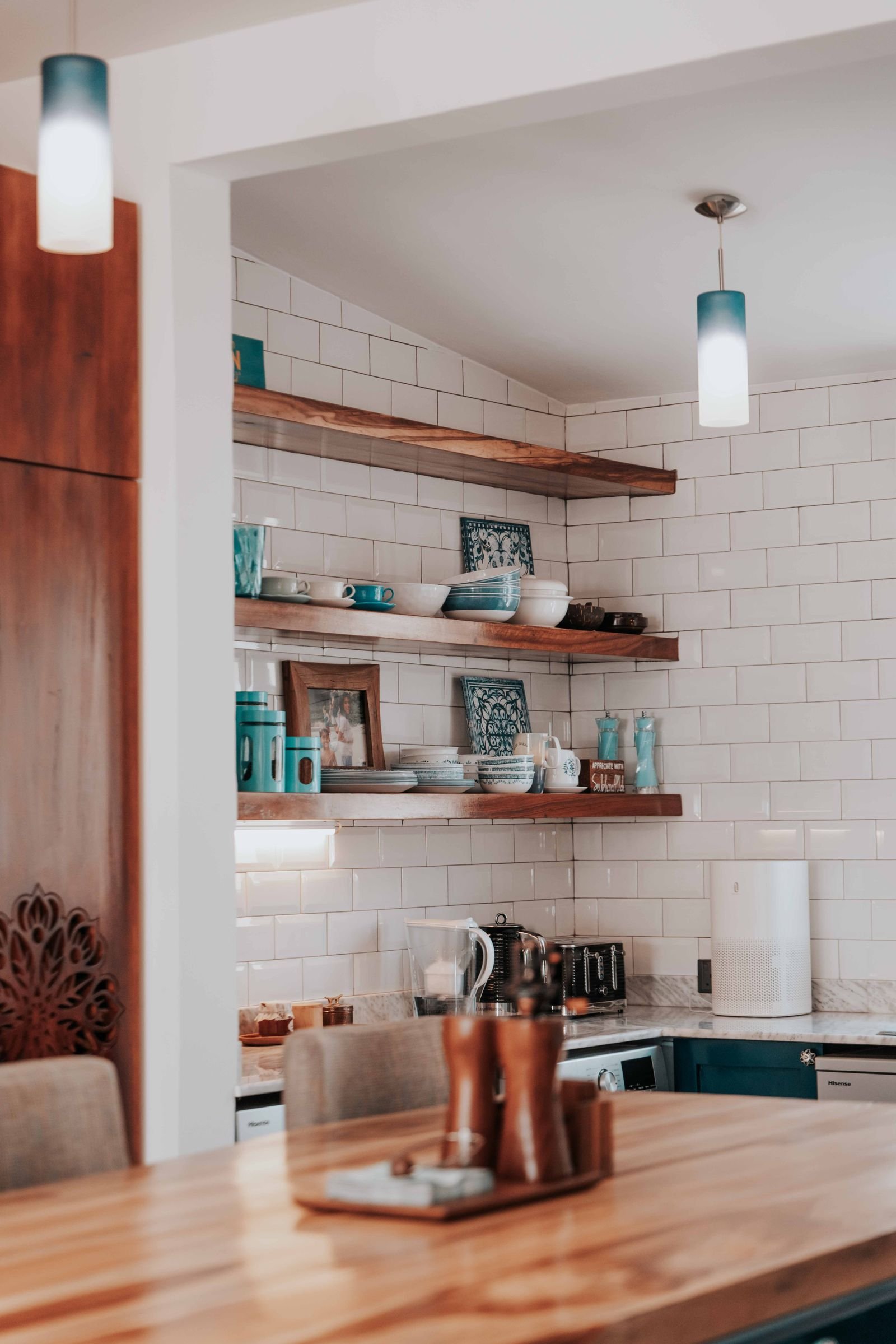
- Wrap-around floating shelves. Two short shelves that meet in the corner turn a dead stretch of wall into open storage for the things you use daily — mugs, bowls, the good olive oil. Open shelves only work if what is on them is used often; dust is the rent you pay for anything decorative.
- A corner cabinet with a lazy Susan or pull-out shelves, if you are replacing or refitting. It roughly doubles what that blind cabinet corner holds, and everything comes to you instead of you going spelunking for it.
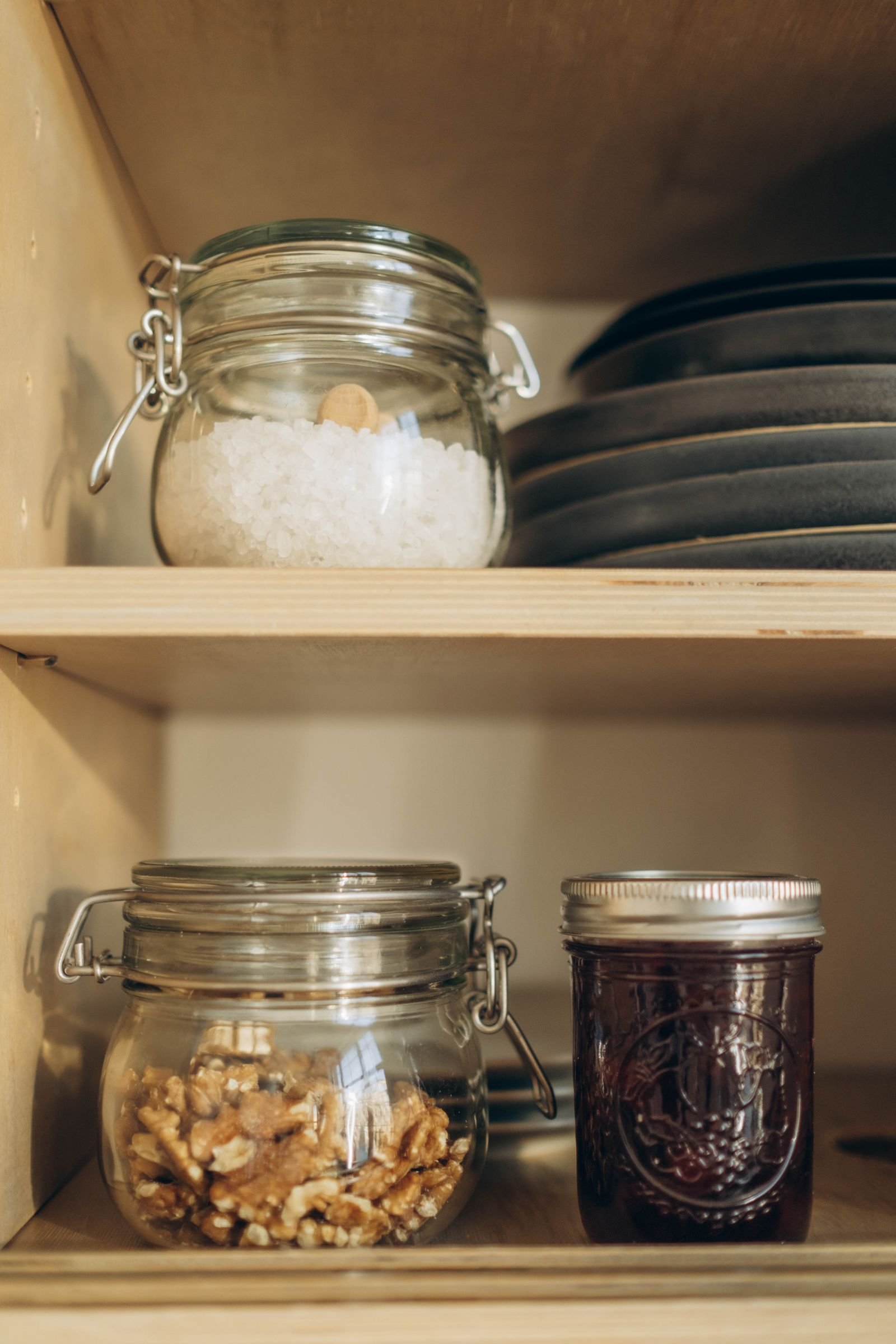
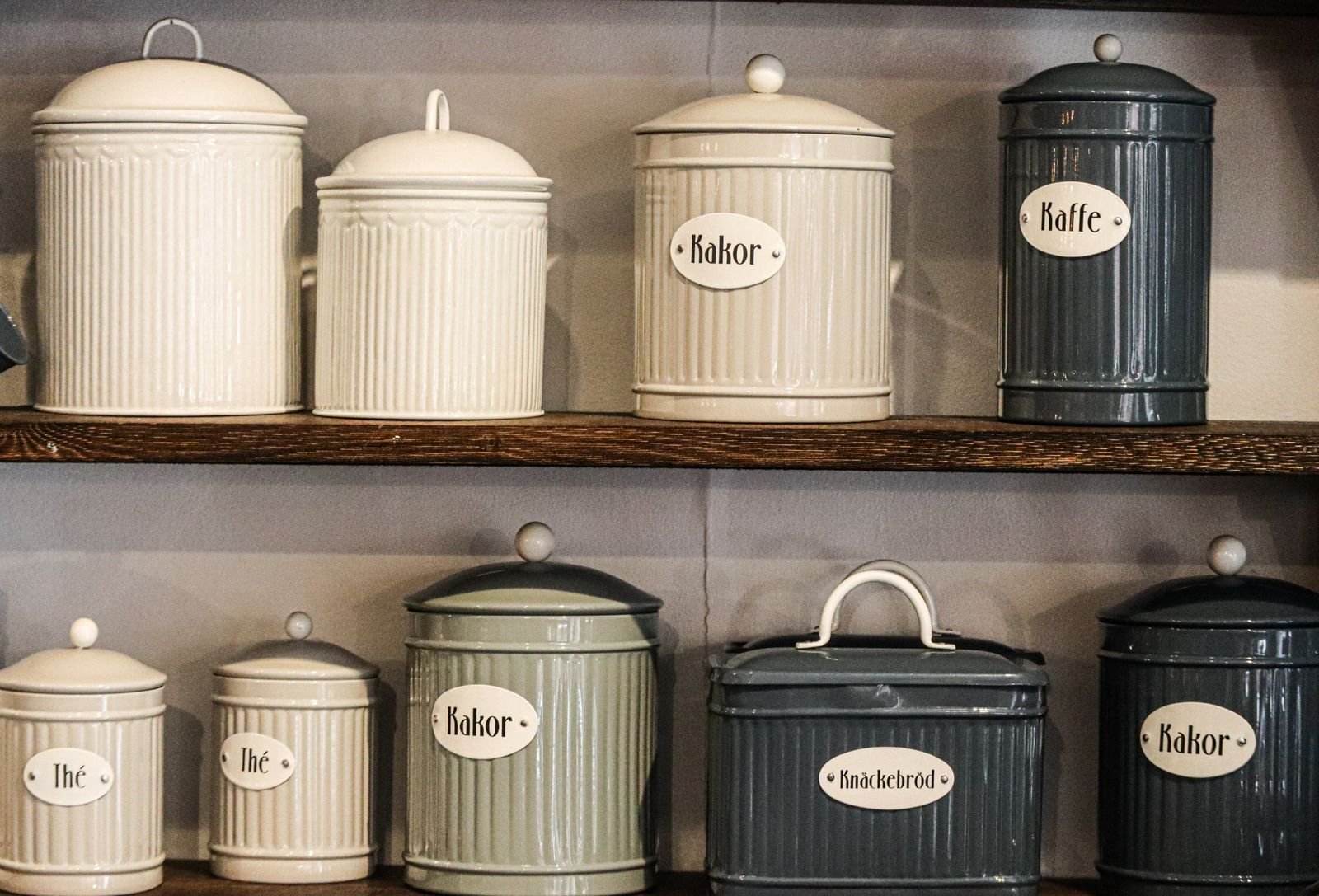
- Decant into jars and canisters. This is the unglamorous one that changes everything. Flour, rice, pasta and spices in matching jars stack tighter, stack higher, and you can see at a glance what you are out of. A corner shelf of jars is storage that looks like a pantry in a farmhouse kitchen — because that is exactly what it is.
My own kitchen corner holds two wrap shelves: jars below, mugs above, and a plant on top because every kitchen corner deserves one thing that is only there to be nice.
Living Room Corners: Storage That Looks Like Decorating
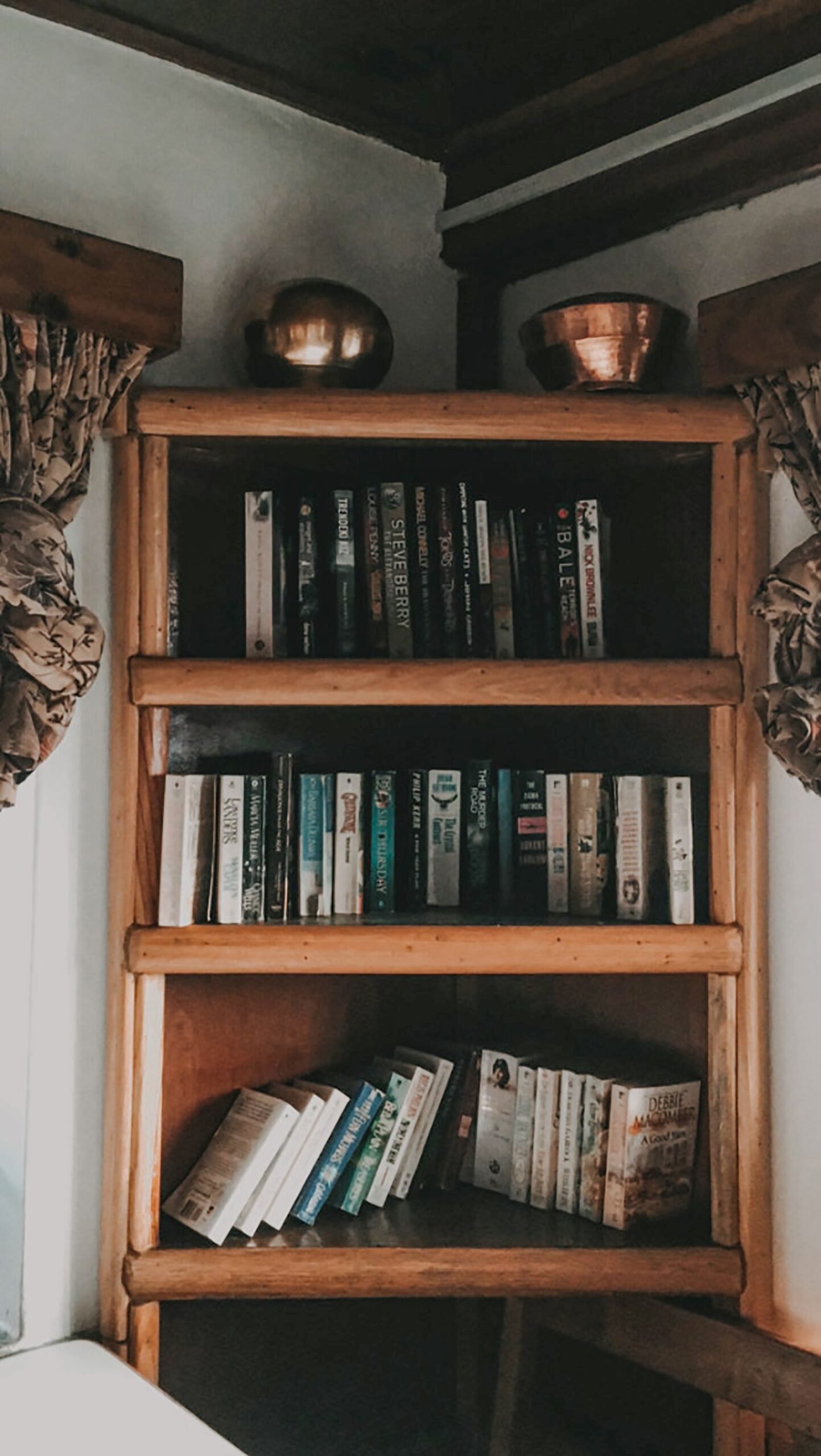
The living room corner has the hardest brief in the house: it has to store things and look like it was always part of the room. This is where floor-to-ceiling thinking pays off. A tall, narrow corner bookcase — the kind that runs from skirting board to a hand’s width below the ceiling — holds as much as a wide low unit twice its footprint, and it makes a small room feel taller instead of fuller.
What works here:
- A tall corner bookcase for books, board games, and the baskets that swallow remotes, chargers and general living-room drift.
- A ladder shelf styled in thirds: books on one shelf, a plant on the next, one beautiful useless object on the third. The empty third is what makes it look intentional.
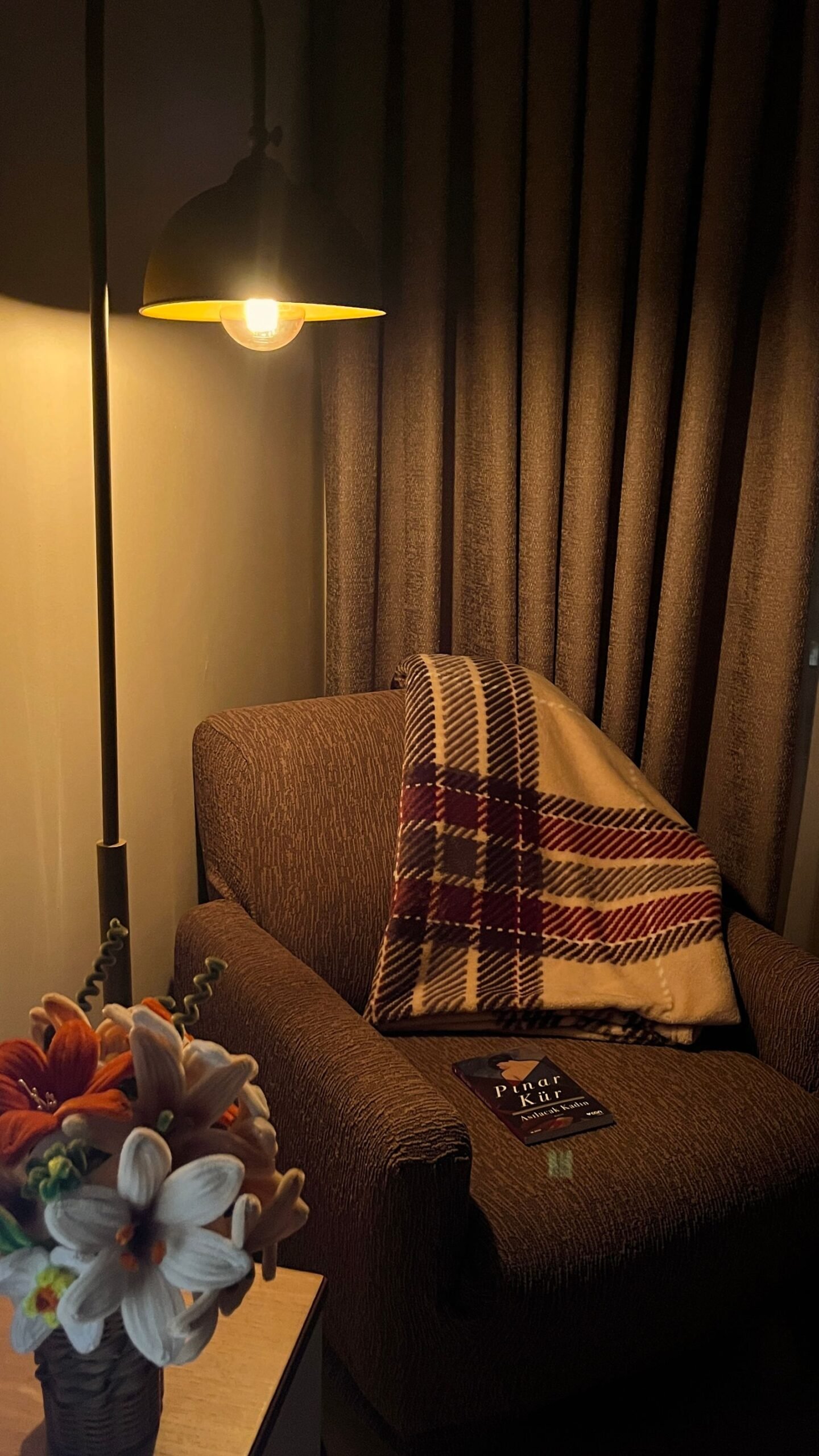
- A corner reading chair with a small shelf beside it — technically furniture, functionally storage, and the seat everyone fights over.
If the whole room is tight, not just its corners, our small living room storage ideas cover the sofa-to-TV stretch; the corner versions above are the pieces that finish the job.
Bathroom Corners: The Smallest Room Has the Sneakiest Space
Bathrooms are where I became a corner believer. My current bathroom is small enough that I can touch both walls, and yet the corner above the toilet and the corner beside the sink now hold every towel, bottle and spare roll we own.
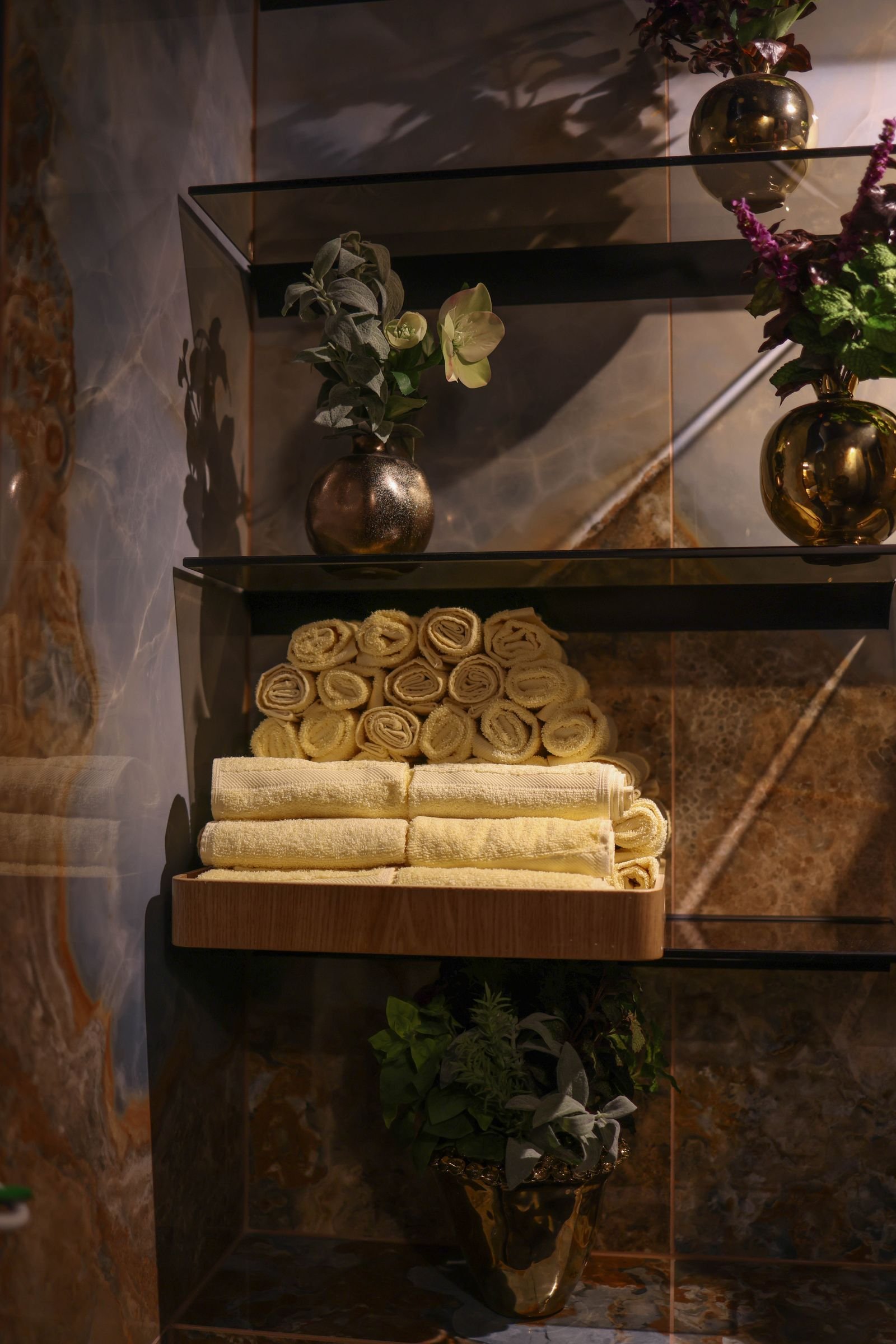
- Floating shelves in the corner above the toilet — two or three, wood if the room is warm-toned, and rolled towels rather than folded. Rolled towels fit triangular shelves better, and they look like a spa instead of a linen closet.
- A corner cabinet under or beside the sink for the ugly necessities. Doors again: bathroom corners stay calmer behind a door.
- A slim corner trolley if you cannot fix anything to the wall — it wedges into the gap beside the sink or tub and holds the daily bottles at hand height.
Styling matters more in the bathroom than anywhere, because everything is on show in a small room. Decant the shampoo into matching bottles if you can stand to, keep one plant that tolerates steam — a pothos will forgive almost anything — and let the towels be the color. Three small changes, and the corner reads as a boutique hotel shelf instead of overflow storage, which, between us, is exactly what it is.
One caution from experience: bathroom corners and cheap particleboard do not get along. Steam finds it within a year. Sealed wood, metal or bamboo survive; if a shelf feels papery in the shop, leave it there.
Hallway Corners: The Drop Zone, Contained
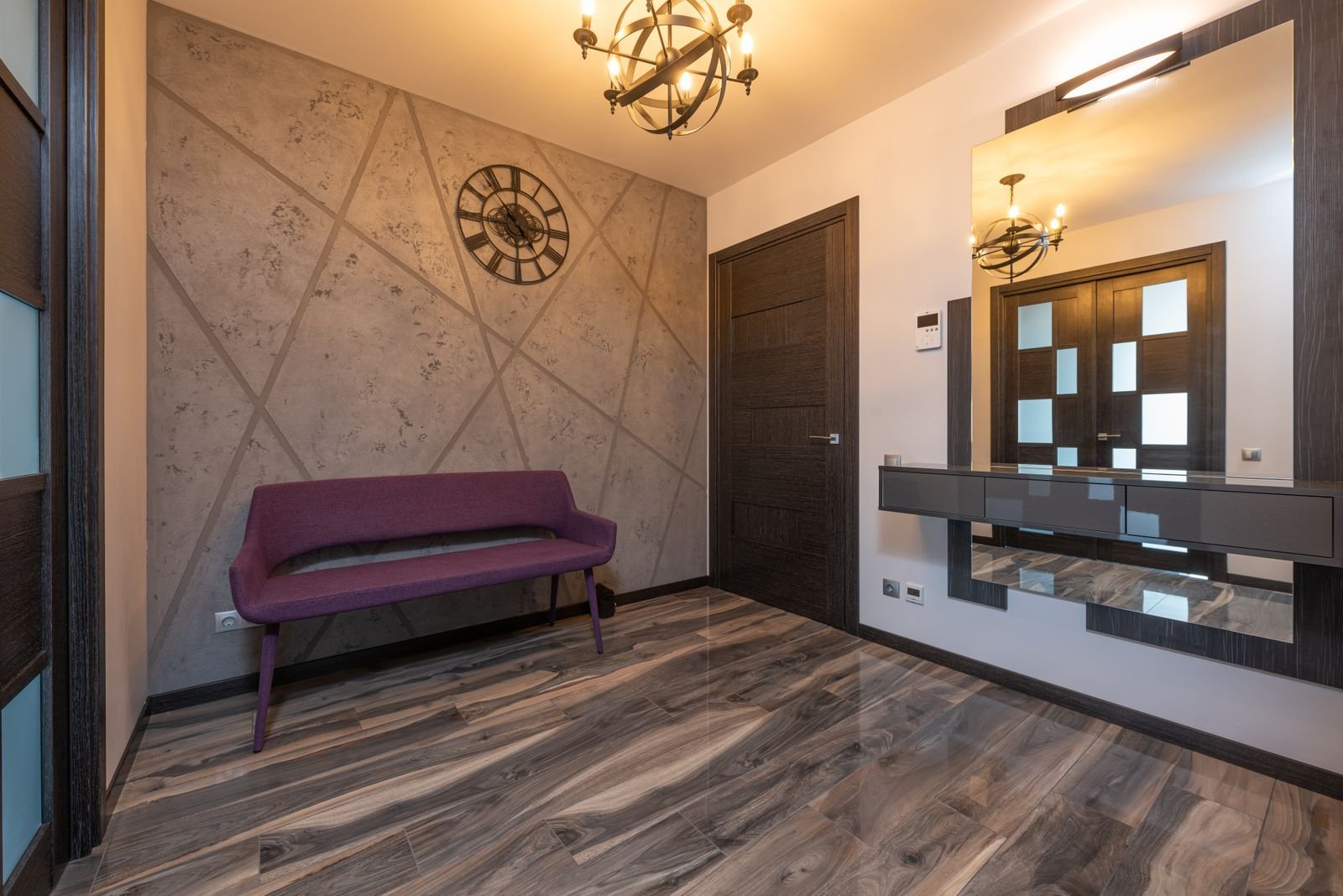
Every home has one corner that collects the day — keys, mail, shoes, the bag, the other bag. Fighting it is pointless. The corner is telling you where the drop zone wants to be, so build it properly and it stops looking like a mess and starts looking like an entryway.
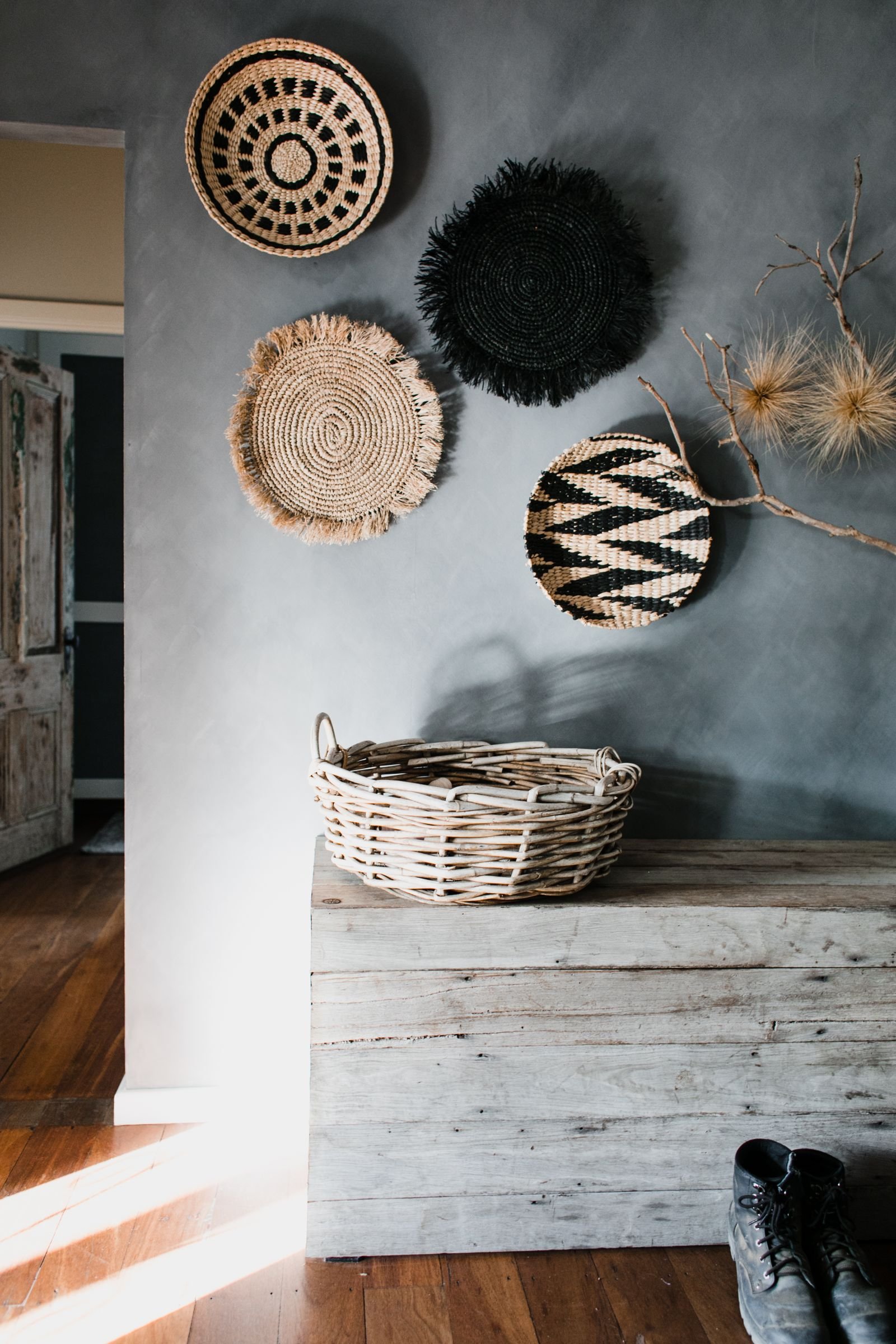
A bench with hooks above it is the classic for a reason: sit, shoes off, coat up, done. Add one basket underneath for the scarves-and-gloves overflow and a small shelf or dish for keys, and the whole routine takes ten seconds. If your hallway corner sits under or beside a staircase, pair it with our under-stairs storage ideas — the two awkward spaces solve each other surprisingly well. And for the full coats-and-shoes treatment in a tight hall, our small entryway ideas for coats and shoes go deeper on hooks, rails and shoe storage that fits a narrow wall.
Renting? Every One of These Can Be Damage-Free
I rented for nine years, so I know the deposit anxiety is real. The good news: corners are the most renter-friendly storage in the house, because so much of it simply stands there.
- Freestanding first: ladder shelves, corner cabinets and floor-to-ceiling units that assemble in the corner need no holes at all. Lean a ladder shelf and the wall never knows.
- Tension and weight do the rest: a tension-pole corner unit in the bathroom, adhesive hooks rated well above what you hang, and over-cabinet baskets inside kitchen doors.
- If you do float shelves, use the smallest fixings that hold the rated weight, keep the screws and a note of the paint color, and fill on moving day — two minutes a hole with ready filler. But honestly? In nine years I never needed to. The standing pieces did everything.
The Bottom Line
Walk your home tonight and count the empty corners. Most small homes have eight or ten, and each one will hold a shelf, a unit or a basket’s worth of the stuff currently living on your counters and chairs. Start with the corner that annoys you most — mine was the laundry chair, and yours probably has a name too — measure both walls, pick the type that fits, and style it like you mean it: jars decanted, towels rolled, one plant where a plant has no business surviving. A corner that works is the cheapest square footage you will ever add to your home, and it was yours all along.