
The short answer: A January home reset is a schedule, not a marathon clean. Five focused hours across one weekend — one to set up on Friday, three room hours on Saturday, one systems hour on Sunday — will reset a small home, and a 10-minute nightly habit is what keeps it reset.

Why a Schedule Works When a Checklist Does Not
January arrives with good intentions and a house still carrying December: guest bedding in the wrong room, a fridge of odds and ends, surfaces that became landing strips for cards, chargers and wrapping paper. The instinct is to write an enormous list and attack it all at once. By Sunday afternoon the house is half-torn apart, you are tired, and the list feels like an accusation.
This reset works differently. It is timed, not listed — five hours, in a fixed order, with a finish line you can actually reach. If you want the deep, room-by-room sorting method, our declutter checklist is the companion for that, with its full set of steps. Use it for the hard decisions inside each hour below. This article is the clock and the route: when to start, what each hour is for, and when to stop. It is built for small homes and renters — no built-ins, no renovations, nothing that cannot be undone with a box and a donation run.
Friday Evening: The Setup Hour (60 Minutes)
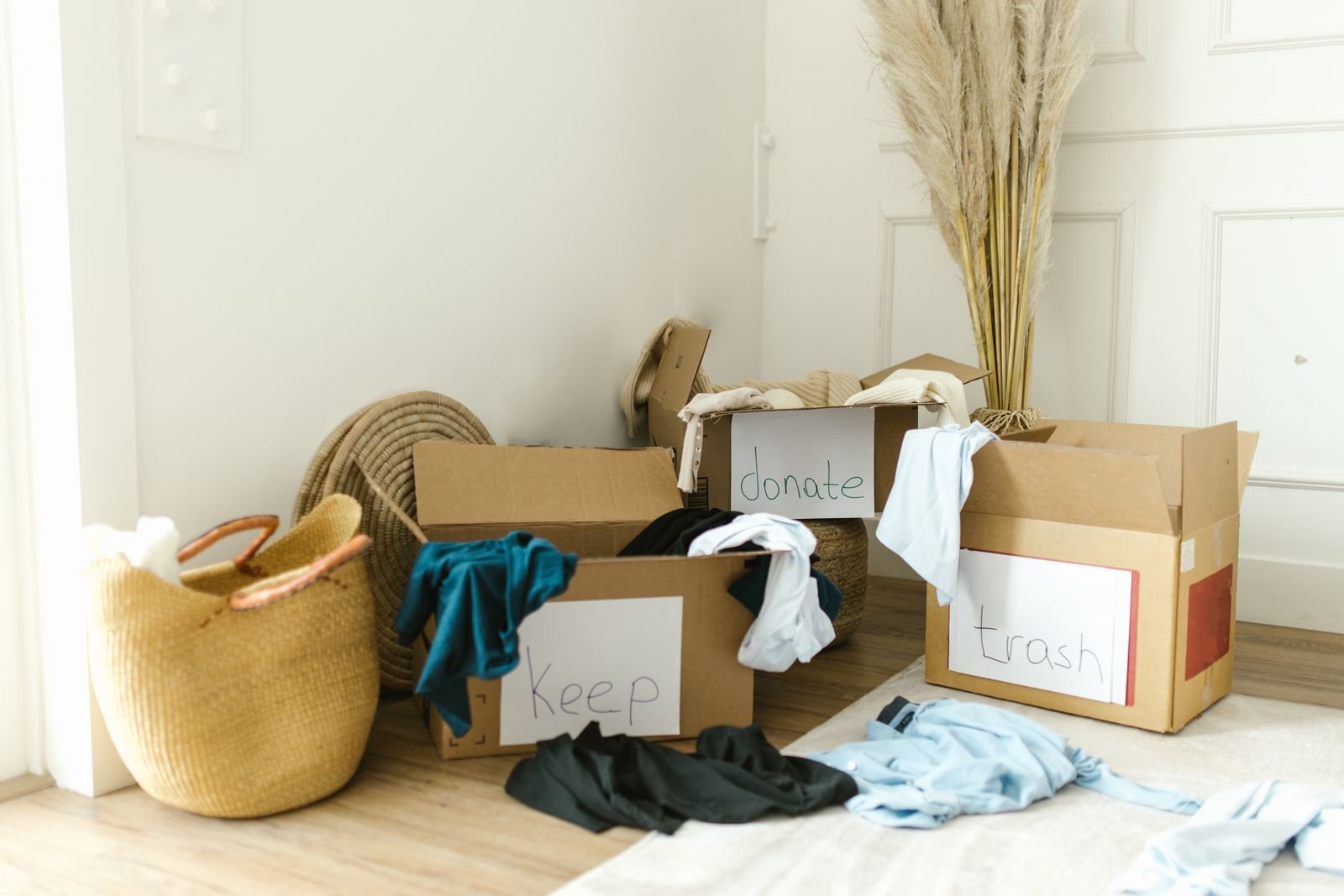
Do not tidy anything yet. Friday is for making Saturday easy. Put three boxes or bags in the middle of the busiest room and label them keep, donate and trash — the labels matter, because tomorrow you will be tired and tired people need the decision already made. Walk the whole home once with the donate box and take only the obvious things: the duplicate, the broken, the never-used. Then set out what Saturday needs — bin bags, a cloth and spray, a basket for things that live in another room — and write tomorrow’s three hours on paper where you will see them at breakfast. Stop at sixty minutes, even mid-room. A setup that ends on time is one you will actually start again in the morning.
Saturday Hour 1: Bedrooms and Wardrobes (60 Minutes)
Start where you wake up, because a calm bedroom pays you back the same night. Work one surface at a time: bed first, then the chair that became a wardrobe, then the floor. Clothes get the three-box treatment at speed — if you have not worn it this winter and it does not earn its hanger, it goes. Strip the bed completely and remake it with the cleanest, simplest bedding you own; in January, plain and fresh beats layered and fussy. Set a timer and honor it. When the hour ends, close the door on a finished room rather than opening a second one. One completely reset room is the momentum the rest of the weekend runs on.

Saturday Hour 2: Living Room and Shelves (60 Minutes)
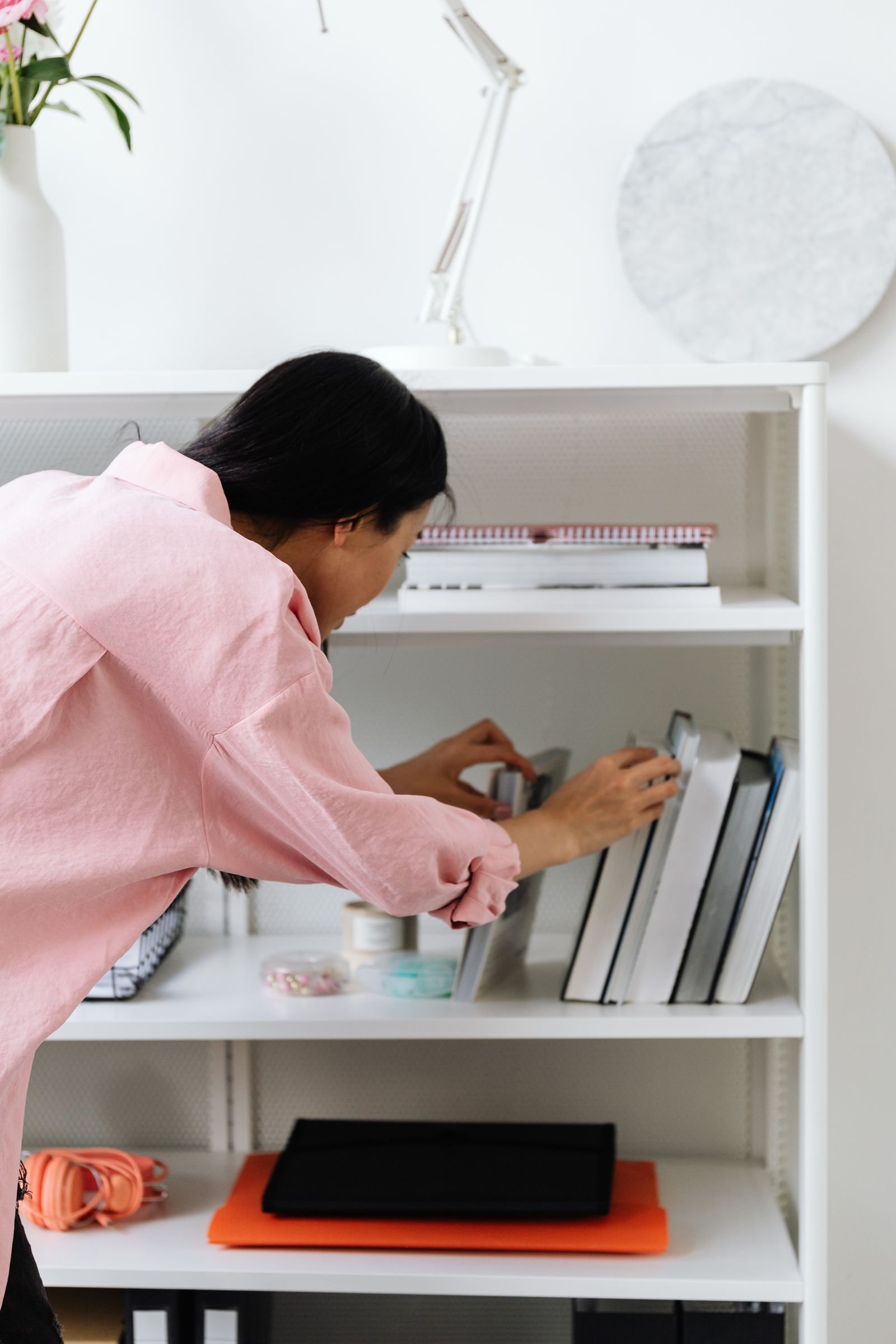
The living room carries the visual weight of the home, so this hour is about surfaces and shelves, not cupboards. Clear every flat surface to empty, wipe it, and put back only what earns its place: the lamp, the book you are actually reading, one plant or one bowl. Shelves get the same treatment in miniature — pull everything off one shelf, wipe it, and return about two-thirds. The empty third is not a gap; it is what makes the room look calm in photographs and in person. Books you are keeping go back upright and grouped; books you are not go straight into the donate box while your honesty is fresh. Finish by vacuuming the floor you can now actually see.
Saturday Hour 3: The Kitchen Reset (60 Minutes)
Kitchens reset fastest when you work cupboard by cupboard instead of emptying everything at once. Start with the cupboard you open most — usually glasses or mugs — and take out anything chipped, duplicated or unused since summer. Then the food cupboard: out-of-date things out, like with like, containers where you can see them. The goal is not a show kitchen; it is knowing what you have and being able to reach it without moving three other things. Counters last: clear, wipe, and return only the daily tools. If your under-sink cupboard is the usual tangle of bottles, our under-sink organization ideas give it a fifteen-minute system that fits inside this hour.


Sunday Hour 4: Drawers, Linen and the Small Systems (60 Minutes)
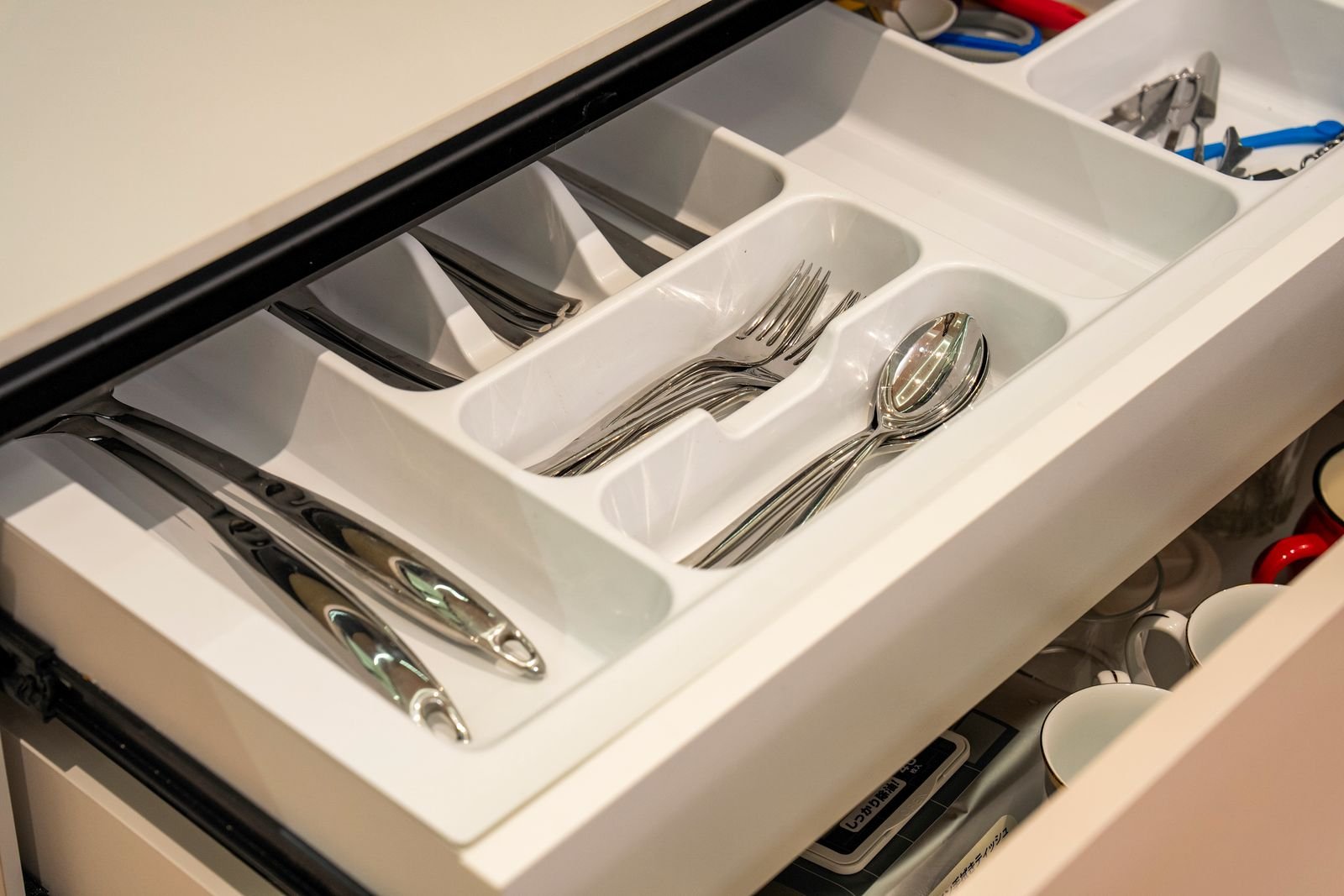
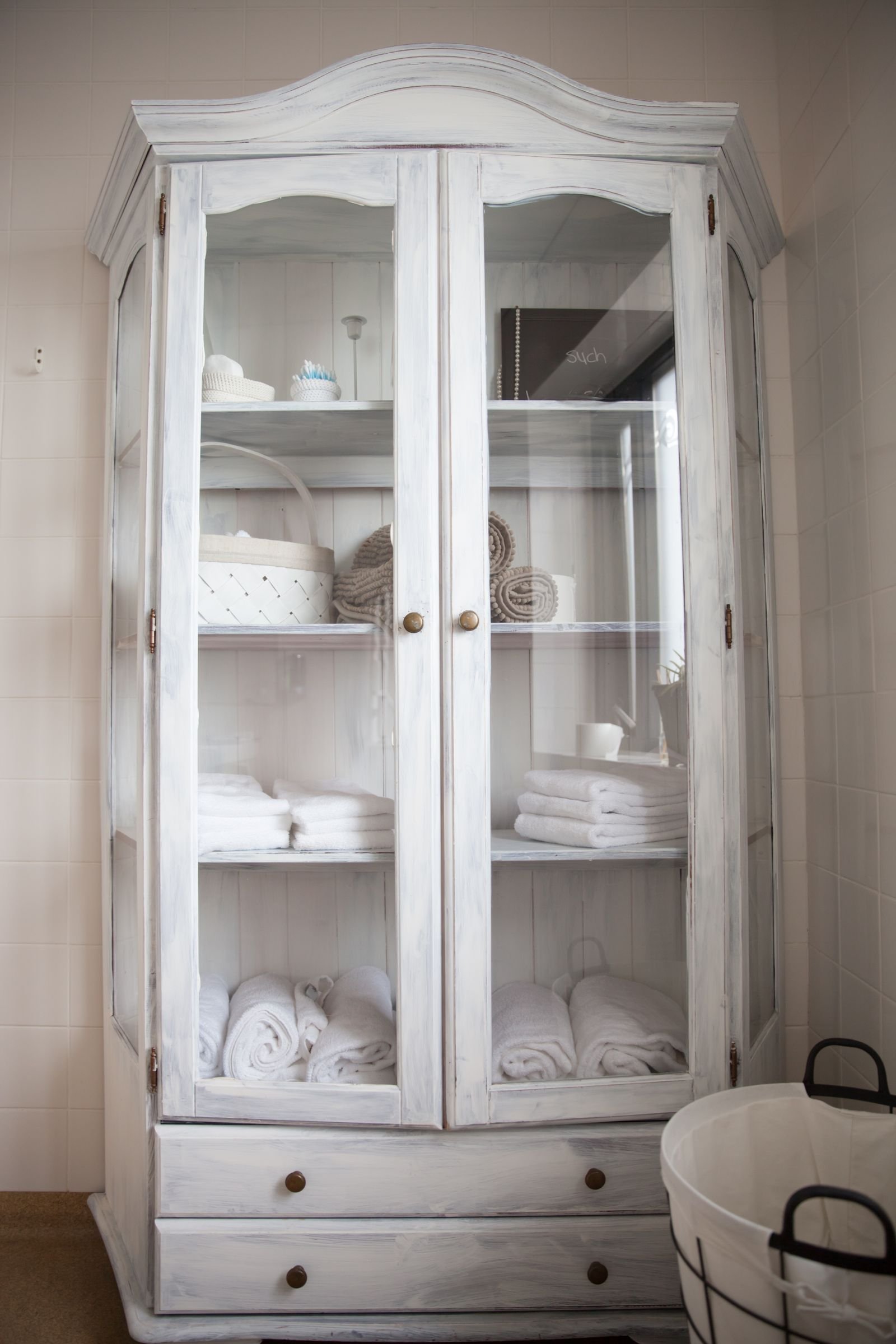
Sunday is for the small places that make daily life feel smooth or snagged. Pick three drawers — no more — and reset them one at a time: everything out, wipe, dividers or small boxes in, only the used things back. The cutlery drawer is the satisfying place to start because you will feel the difference at dinner tonight. Then the linen: pull towels and bedding out, refold, and keep the best sets where your hands land first. Our linen closet organization ideas cover the folding and stacking methods in detail; here, the rule is simply fewer, better, reachable. End the hour by returning the wandering basket of homeless things to their rooms — every item, no exceptions.
Sunday Hour 5: Entryway, Bathroom Caddy and the Walk-Through (60 Minutes)
The last hour protects all the others. At the entryway, cut the shoes, coats and bags down to what this season actually uses; the rest goes to a closet or a box, out of the daily path. In the bathroom, gather cleaning supplies into one caddy you can carry — when cleaning takes one trip instead of four, it happens more often. Then do the slow walk-through with fresh eyes and a notebook, not a cloth: note the three small things still nagging at you, and schedule them for next weekend instead of starting them now. Light a candle, make tea, and sit down in the reset room you like best. The weekend is done when the timer says so, not when the house is perfect — perfect was never the offer.

The 10-Minute Nightly Reset: How the Weekend Survives February
A reset without a habit is just a tidy weekend. The habit is ten minutes, same time each night, ideally right after dinner dishes: one basket, one loop of the home. Put the basket in the busiest room, walk a single circuit collecting everything that lives elsewhere, deliver it, and finish with the kitchen counters — clear, wiped, empty sink. Ten minutes feels too small to matter until you do the arithmetic: it is more than an hour of tidying a week, in pieces too small to resent. The rule that makes it stick is that the timer ends the job, not the mess. Some nights the loop is finished in six minutes. Some nights the timer saves you from a six-minute start becoming an hour. Both are wins. If other people live with you, give each person the same basket rule for their own things rather than tidying after them — the loop only survives if it stays small enough to be one person’s ten minutes, every night, without negotiation.
If You Only Have Two Hours
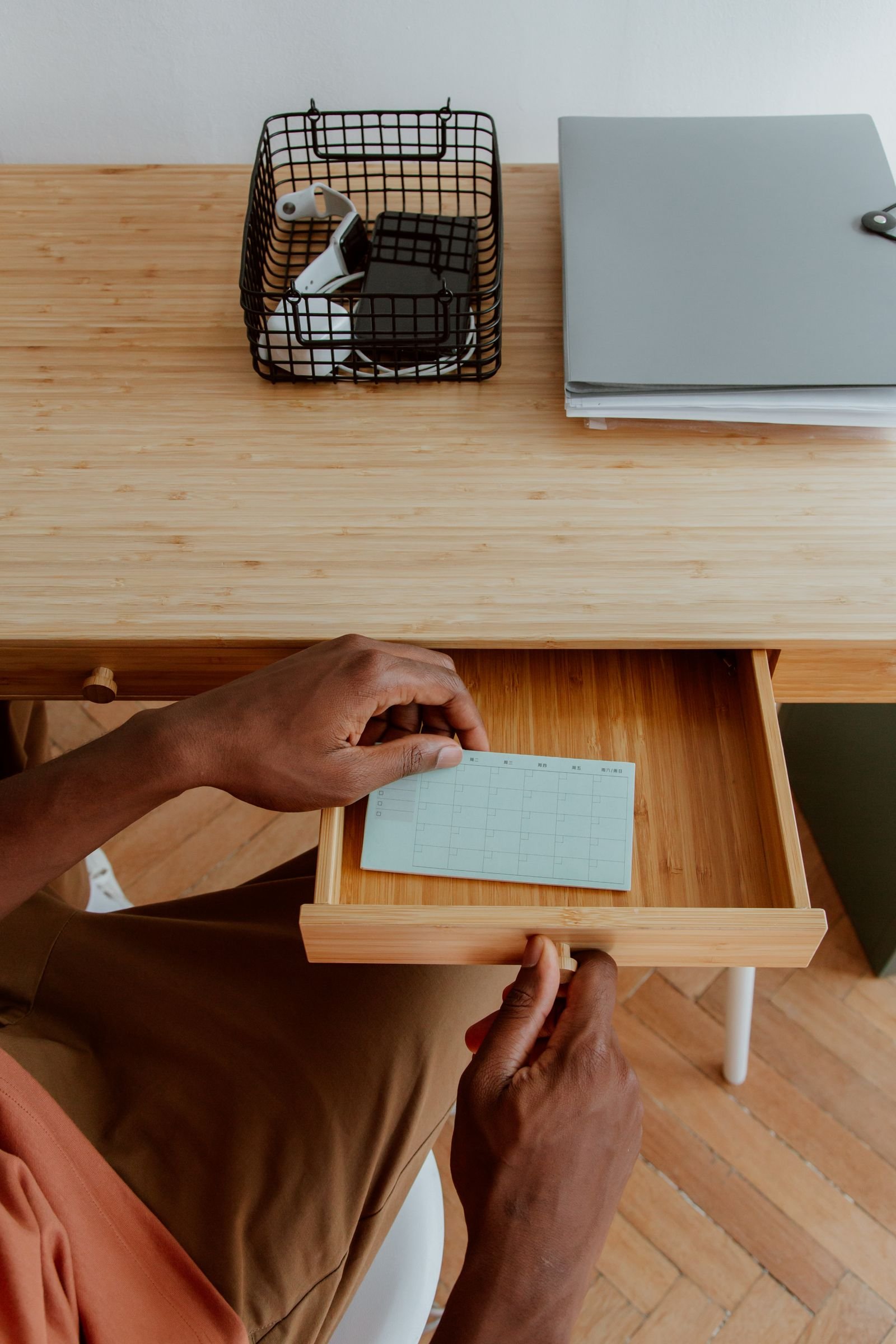
Not every January weekend is free, and a smaller reset done completely beats a bigger one abandoned halfway. If two hours is what you have, spend them like this. Take the Friday setup and compress it to twenty minutes: boxes out, labels on, the obvious donations bagged and by the door. Then give the bedroom forty minutes — bed stripped and remade, the chair cleared, floor visible. Give the kitchen forty minutes, but only the two cupboards you open daily and the counters. Use the last twenty minutes for the entryway and the walk-through, notebook in hand. Skip the drawers, the shelves and the linen entirely, and write them at the top of next weekend’s list instead of feeling behind. What makes this work is the same principle as the full version: every block ends finished, nothing is left mid-explosion, and the nightly ten minutes starts tonight regardless. A two-hour reset with the habit kept will look better by February than a five-hour reset without it. Scale the schedule to the weekend you actually have — that honesty is the whole method.
Your Reset at a Glance
| When | Time | Job | Done when |
|---|---|---|---|
| Friday evening | 60 min | Setup: 3 labeled boxes, obvious donations, lay out supplies | Boxes ready, Saturday plan on paper |
| Saturday | 3 × 60 min | Bedrooms, then living room, then kitchen — one room per hour | Each door closes on a finished room |
| Sunday | 2 × 60 min | Drawers and linen, then entryway, caddy and walk-through | 3 small leftovers noted, not started |
| Every night after | 10 min | One basket, one loop, clear kitchen counters | The timer ends, not the mess |
Three Reset Mistakes to Avoid
- Starting without boxes. Sorting without a donate box beside you means every decision gets made twice, and most things quietly stay.
- Emptying everything at once. A whole kitchen on the counter at hour three is how resets die. One cupboard, one drawer, one shelf at a time.
- Chasing perfect instead of finished. The schedule’s power is the stop time. A finished 80 percent beats an abandoned 100 percent, every January.
January Reset Questions
How long does a January home reset take?
Five focused hours across one weekend: one setup hour on Friday evening, three room hours on Saturday, and two shorter systems hours on Sunday, plus ten minutes a night afterwards to keep it.
What should I reset first in January?
Set up first — boxes, bags and supplies — then the bedroom, because you feel the benefit the same night. Rooms you sleep and wake in change how the whole reset feels.
How is a reset different from decluttering?
Decluttering decides what goes. A reset is the schedule around it: timed hours, a fixed room order, and the small systems — drawers, linen, entryway — that keep daily life running smoothly afterwards.
Can I do a home reset in a rental or small apartment?
Yes — this schedule was built for it. Everything uses boxes, baskets and surfaces; nothing is fixed, built in or permanent, and the smaller the home, the faster each hour goes.
How do I keep my home tidy after the reset?
The 10-minute nightly loop: one basket, one circuit of the home, clear counters, timer ends the job. Small and daily beats large and occasional.
By next January you will not remember whether the cutlery drawer was perfect. You will remember that one weekend in January the house started working again — and that ten quiet minutes a night kept it that way.