
My living room is small enough that I can vacuum it in about four minutes, and for a long time it still managed to look cluttered. That was the part that drove me crazy. It wasn’t dirt. It was stuff with nowhere to go — two remotes, a tangle of chargers, three blankets, a stack of books I was genuinely reading, board games, coasters, the good scissors. Every flat surface had become a parking lot, and every time I “organized,” I just moved the piles around.
What finally fixed it wasn’t a bigger bookcase or a cube shelf that eats half a wall. It was the opposite: storage that hides inside furniture I already needed. A lid, a door, a hollow base. The room didn’t gain a single bulky piece, but it gained hiding places everywhere. These are the small living room storage ideas that actually worked, what each one honestly holds, and what I’d skip if I were starting over.
The Rule That Changed Everything: Closed Beats Open
Here’s the lesson I learned the expensive way. In a small room, open storage still looks like stuff. A neat row of baskets on an open shelf beats a pile on the floor, sure, but your eyes still read every object, and in a small space that visual noise is the whole problem.
Closed storage is different. A door shuts and the room exhales. So my rule is simple: if it doesn’t close, it doesn’t count as storage — it’s display, and a small living room can only afford a little display. Everything below follows that rule, and nothing adds a big new footprint; each piece replaces something you already have or slips into space that was doing nothing. It’s the same thinking behind our small apartment organization ideas — the square footage stays the same, the hiding places multiply.
1. Storage Ottomans: The Hardest-Working Seat in the Room
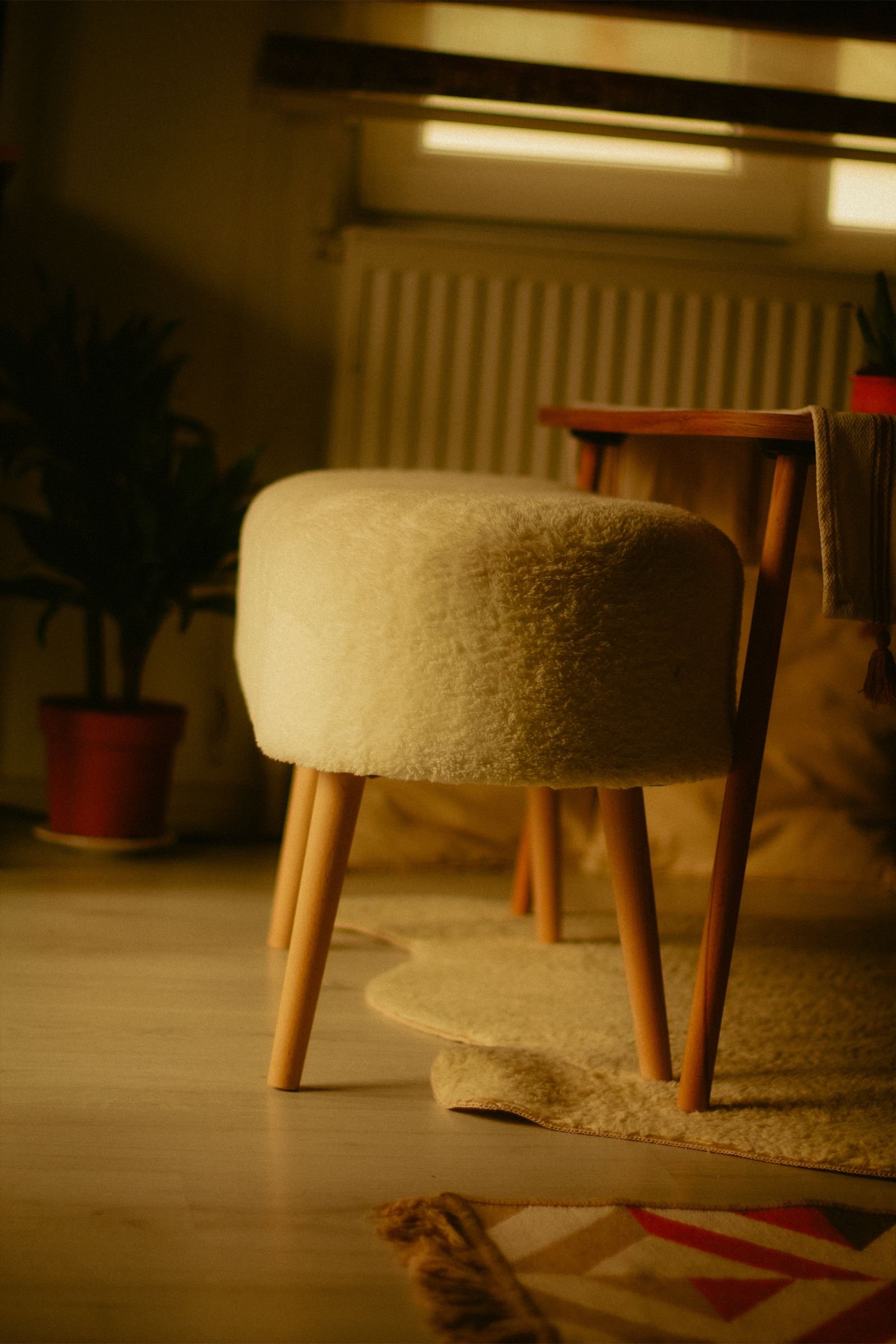
If I could keep only one piece from this list, it would be the storage ottoman, and it wouldn’t be close. Mine sits where a coffee table used to be and does four jobs: footrest, extra seat, tray table when I balance a board on top, and — the whole point — a hollow box that swallows an embarrassing amount of clutter.
What fits inside? In mine, right now: two throw blankets, a board game, the remotes’ extended family of chargers, and a basket of dog toys. A typical one holds about 1.5 to 2 cubic feet — roughly a laundry basket’s worth. That’s the entire surface-clutter population of most small living rooms, gone in one lift of a lid.
Buying notes from my own mistakes: get the hinged lid, not the lift-off one you’ll park on the floor. Measure your sofa seat height — the ottoman should sit an inch or two lower. And pick a firm, flat top if you’ll use it as a table; soft tufted ones are lovely footrests and terrible mug holders. Prices run $60 to $180, and most small living room storage ideas ikea sells fall right in that range — a decent budget start, though the cheapest hinges loosen within a year.
2. Lift-Top Coffee Tables: A Desk and a Junk Drawer in One
If you eat, work, or fold laundry in front of the TV — and in a small apartment, who doesn’t — a lift-top coffee table is the upgrade that feels almost unfair. The top rises toward you to lap-desk height, and underneath is a deep, hidden compartment nobody would guess is there.
Mine holds what used to live on top of the table: remotes, coasters, the current book, pens, and the charging cables that breed when you’re not looking. Surface clear, everything still within arm’s reach. That, to me, is the definition of good small living room storage solutions — the stuff doesn’t move to another room, it just stops being visible.
Be honest about the mechanism before you buy. Cheap lift mechanisms wobble and eventually sag on one side, so the $150–$300 range buys a noticeably better hinge than the $90 one. Check the inside depth too — the compartment is only useful at 4 to 5 inches deep or more. And if a lift-top is out of budget, a regular table with a low shelf plus two lidded baskets gets you 80 percent of the effect for a third of the price.
3. Closed Consoles and Cabinets: The TV Wall Fix
The TV wall is where small living rooms go to fall apart. The console collects the streaming box, the router with its blinking lights, game controllers, a tower of DVDs nobody watches but nobody throws away, and a cable situation best described as modern art.
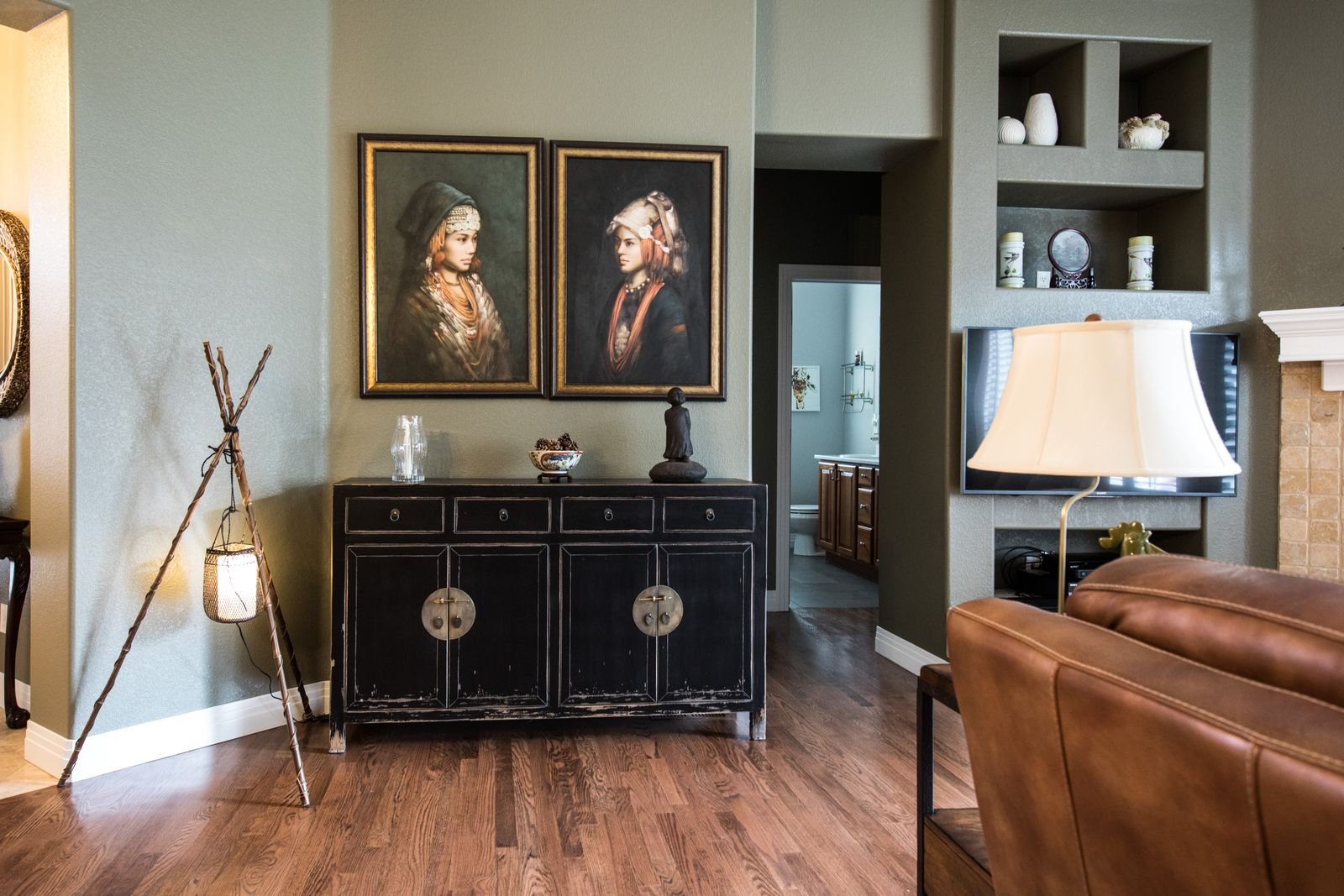
Switching to a closed console — doors, not an open stand — was the single biggest visual change in my room. Everything ugly went behind doors in one afternoon. The router breathes fine through a cane or mesh-front door, by the way; just leave an inch or two behind the unit for air.
Size notes: go low and not too deep. A console 16 to 18 inches deep hugs the wall and leaves your walkway alone. On a budget, look for closed TV benches with cable cutouts in the back panel — that little hole saves you from the cable waterfall down the wall. Expect $120 to $400, and check that one inside shelf is adjustable, because game consoles and soundbars never agree on height.
4. Tall, Shallow Cabinets: Use the Wall, Not the Floor
Here’s the math that sold me. A cabinet only 10 to 12 inches deep but 6 feet tall holds more than a chunky 24-inch-deep dresser — and steals almost no floor, because we judge a room’s size by how much floor we can see, not how much wall is covered.
I put one in the dead slice of wall beside my sofa, and it quietly became the most useful storage in the apartment. Top shelves: board games and photo albums. Middle: a closed box for paperwork. Bottom: spare candles, batteries, lightbulbs, the toolkit. All of it behind one slim door that reads as part of the wall.
Two rules. Anchor it to the wall — a tall shallow piece is exactly the shape that tips, and the strap takes ten minutes. And keep the heaviest things low, because lifting a full box down from six feet is a young person’s game. This is also my favourite of the small living room wall storage ideas, because it stores on the wall’s footprint instead of the floor’s. A good one runs $150 to $450; a tall shoe-cabinet-style unit, about 7 inches deep, works beautifully too.
5. The Sofa-Back Console: Storage in Space You Weren’t Using
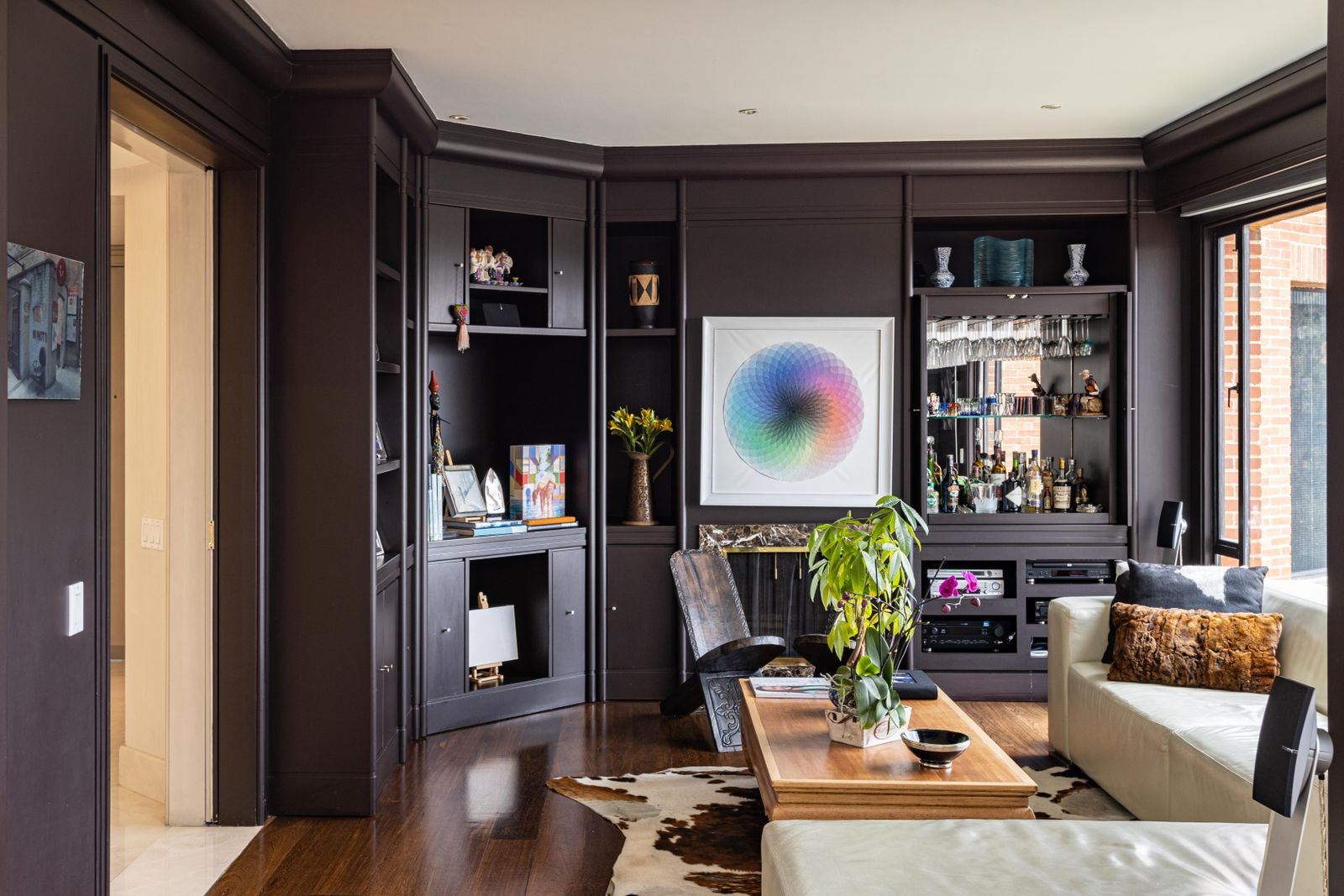
If your sofa floats in the middle of the room, the strip of floor behind it — usually 6 to 12 inches of pure nothing — is free real estate. A narrow sofa-back console claims it, and the right one has a shelf or small cabinets underneath, so it’s not just a pretty ledge for a lamp.
Mine holds the library books due back, mail waiting to leave, and a lidded box for the entryway overflow that used to colonize my coffee table. The top stays styled — lamp, plant, one stack of books — and the hidden shelf does the actual work. It’s the same dead-space thinking as our small entryway ideas for coats and shoes: the space was always there, it just needed a job.
If your sofa sits against a wall, use the slim version: a wall-mounted ledge with lidded boxes above sofa height gives the same hidden strip without touching the floor. Consoles run $80 to $250; measure the sofa’s back height first — the table should sit at or just below it, never towering over the cushions.
6. Blanket Storage That Isn’t a Pile on the Sofa Arm
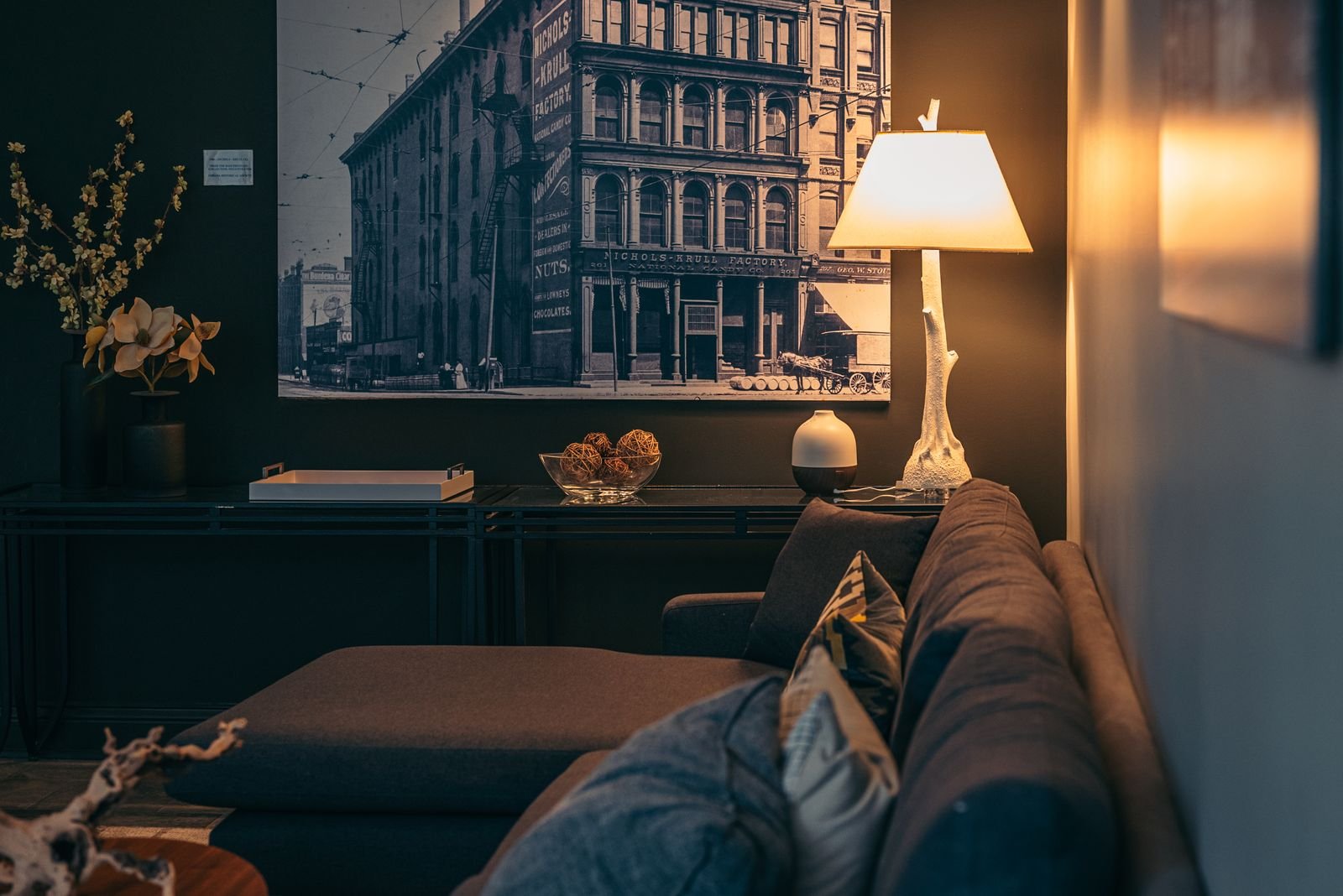
I own four throw blankets, and I am not getting rid of any of them — a small room in winter with one blanket is a sad story nobody wants. But four blankets draped over a sofa makes it look like it’s wearing all its clothes at once, so blanket storage became its own little project. These small living room blanket storage ideas are the ones that stuck:
- Inside the ottoman. Two of my four live in the storage ottoman, out of sight, ten seconds away. This is the answer if you take nothing else from this section.
- A lidded basket beside the sofa. The other two roll into a tall basket with a lid. Rolled, not folded — they take up less room and come out without creases. The lid is what makes it hidden storage instead of a wool explosion.
- A storage bench under a window. A low bench with a lift-up seat holds blankets plus spare cushion covers, and earns its place as extra seating on game night.
What didn’t work: the blanket ladder. It looks gorgeous in photos, but let’s be honest — it’s display, not hidden storage, and in my room it just moved the visual pile from horizontal to vertical. If your blankets are beautiful, keep the ladder and enjoy it. If the goal is calm, close the lid.
7. Coffee Table Rules: One Tray, Everything Else Underneath
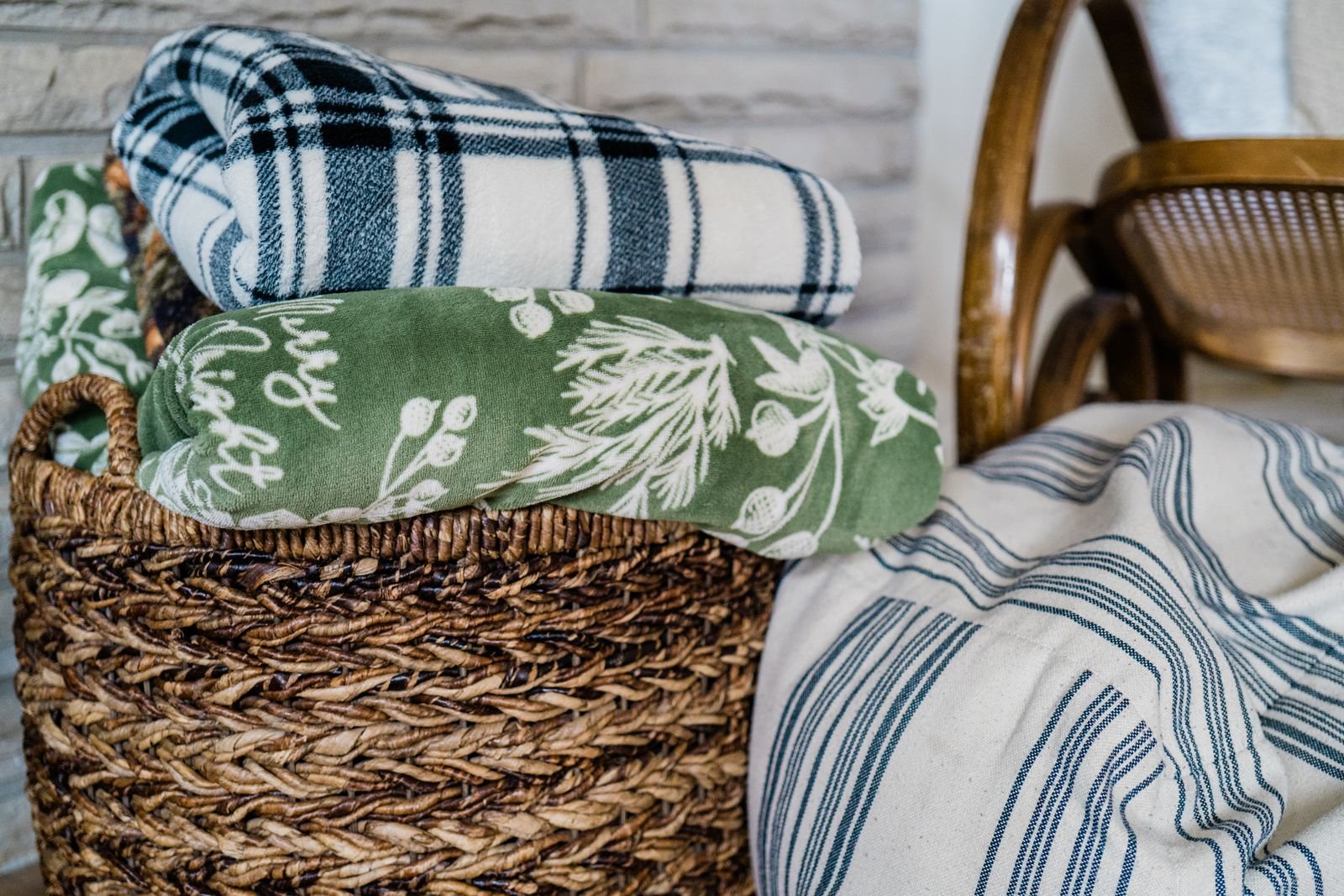
Even with a lift-top, the top of the coffee table is where clutter regenerates overnight. My fix is embarrassingly simple, and it has held for a year: one tray. The tray is the only legal parking spot — remote, coaster, current book, done. Everything else lives underneath or inside, no exceptions, and because the tray corrals the few things that stay out, even those look deliberate.
Underneath, the low shelf works under two rules. Books lie in one neat stack, capped at what fits — when it outgrows the shelf, a book moves to the tall cabinet. And the far end holds a closed box for the small fry: batteries, tape, the spare HDMI cable, playing cards. Guests see a styled table. I see a storage unit wearing a disguise.
It’s the same logic as our under-bed storage ideas — every home has dead space doing nothing, and the trick is to give it a lid and a job.
8. Corners: The Last Dead Space in the Room
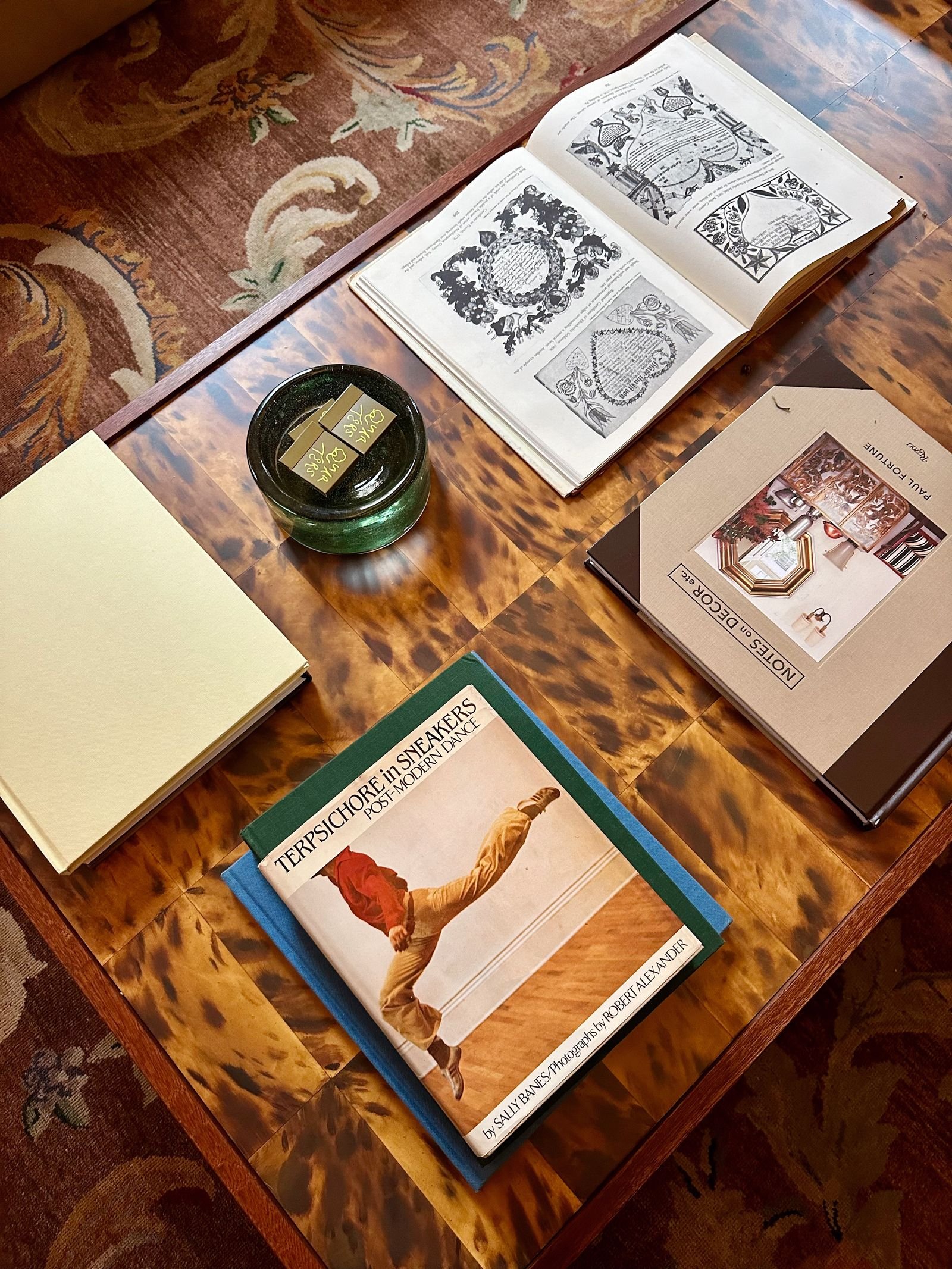
Corners are where small rooms hide their final square feet. A corner that fits nothing else will fit a tall narrow cabinet, a stack of lidded baskets, or a corner bench with storage under the seat — and because corners sit outside the sightline from the sofa, even semi-open storage reads calmer there than mid-wall.
My reading corner holds the least-used, bulkiest things: spare pillows in summer, big art books, board games that come out twice a year. That’s the right job for corner storage — daily things need to be reachable without moving a chair. More shapes for these awkward angles are in our corner storage ideas.
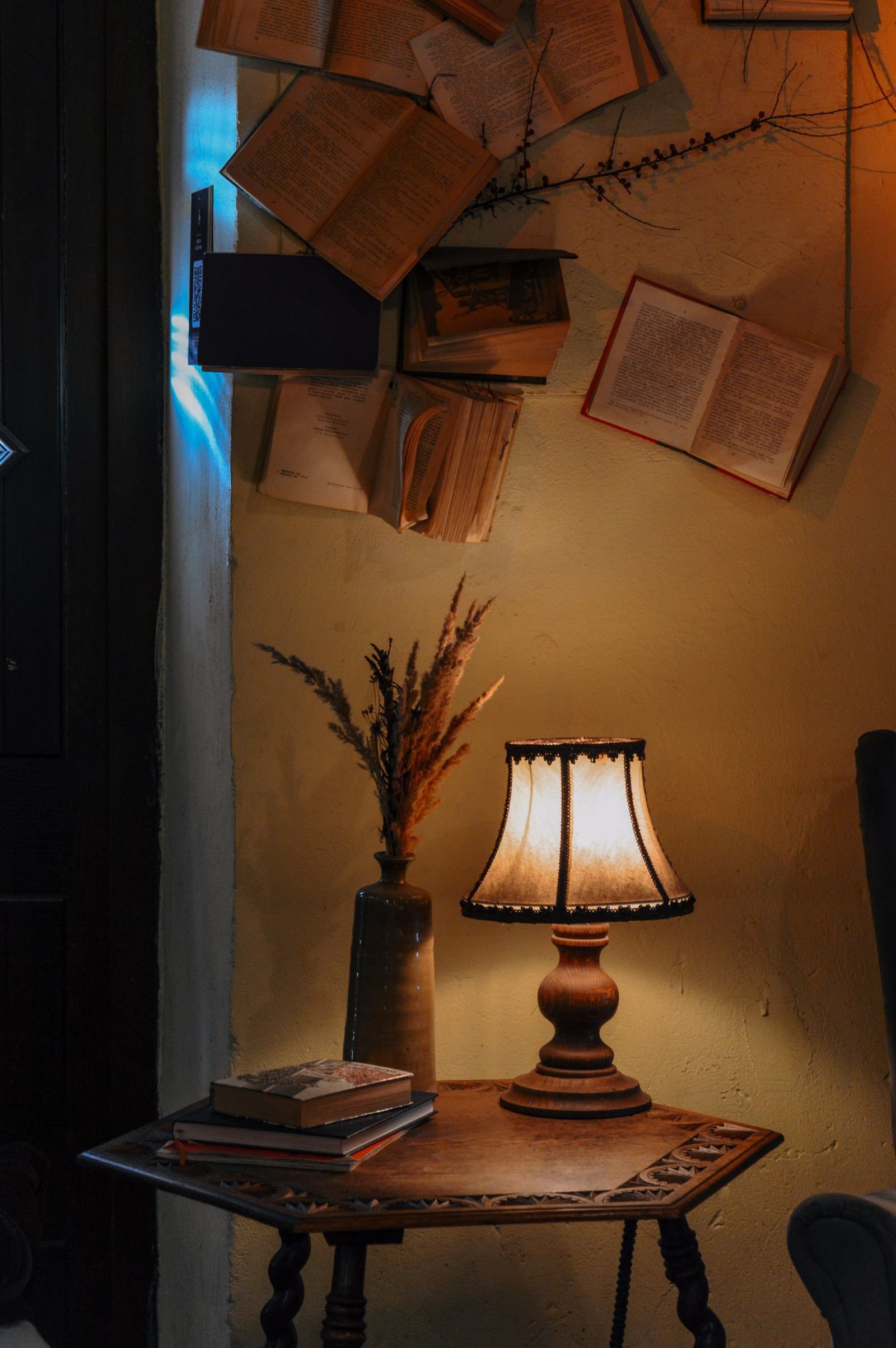
9. Pretty Boxes and Benches: The Finishing Layer
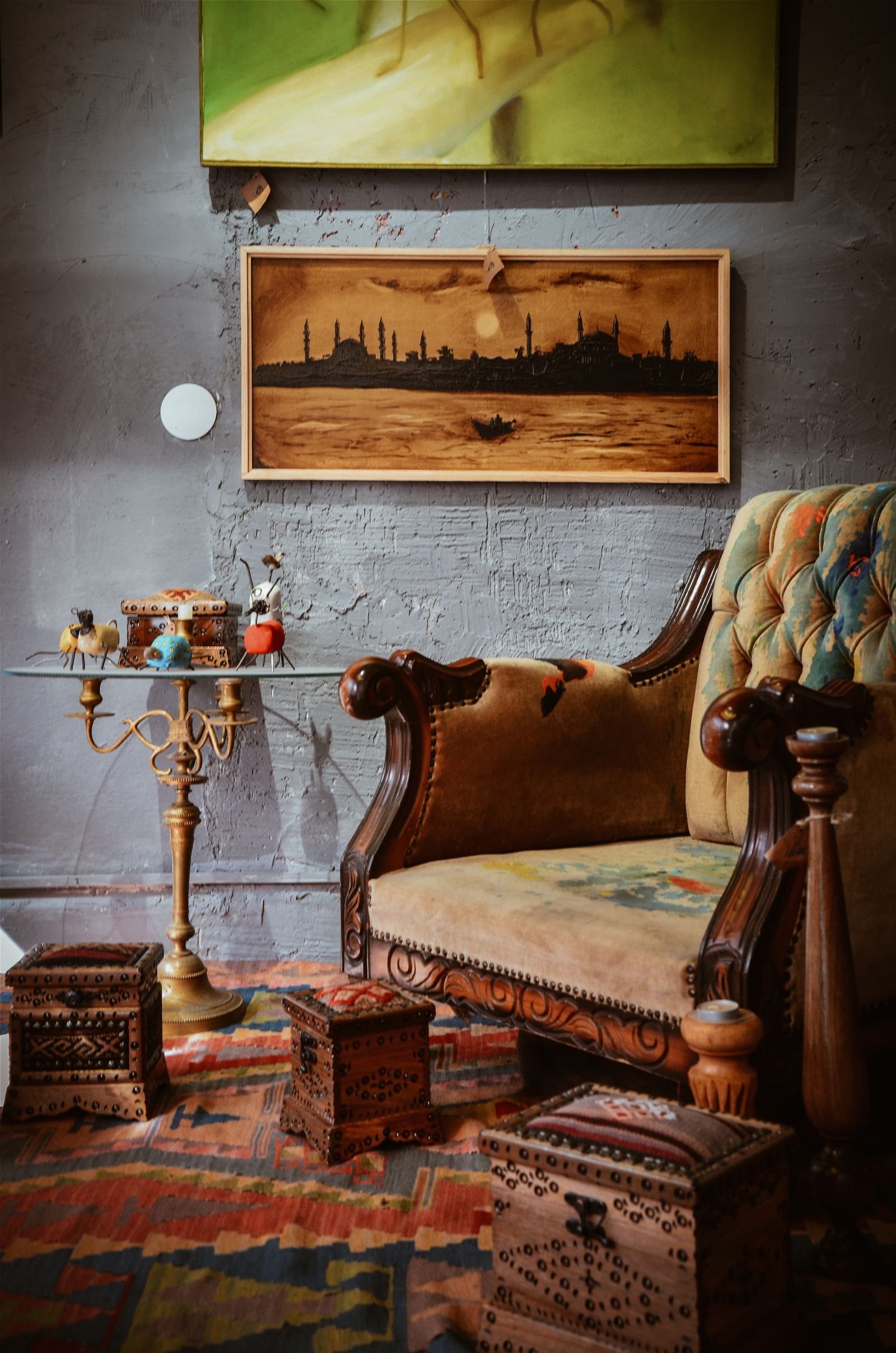
Once the big hidden pieces are in place, there’s always a residue — the small, weirdly-shaped things that belong nowhere. That’s what decorative closed boxes are for. A carved wooden box holds the spare keys and loose change. A fabric box inside the console swallows the cable spares. A storage bench takes the winter scarves that migrate toward the sofa every November.
Treat these as furniture, not containers: one or two beautiful boxes, grouped by job. A box that means “remotes and chargers” stays tidy; a box that means “miscellaneous” becomes a junk drawer with better PR.
The Bottom Line
A small living room doesn’t need more storage furniture. It needs the furniture it already has to start keeping secrets. An ottoman with a hollow middle, a coffee table that lifts and hides, a console with doors, a tall cabinet too shallow to notice, a lidded basket for the blankets — together they took my room from four visible piles to zero. Start with the ottoman. It’s the cheapest, fastest win, and once you feel how good a clear surface feels, the rest follows on its own.