
The short answer: A rental can look completely yours without a single hole or paint tin. Work in this order: art and peel-and-stick on the walls, one good rug on the floor, curtains hung high on tension rods, plug-in light where you actually sit, and furniture chosen to travel with you. Every change here reverses in an afternoon.

Decor, Not Storage: What This Guide Is (and Is Not)
This is a decorating guide, and the distinction matters. Our small apartment organization ideas cover the other half of rental life — storage, systems and making a small floor plan hold everything you own. Read that one when the problem is where things go. Read this one when the rooms work fine but still look like somebody else’s: white walls you cannot paint, floors you did not choose, a ceiling light you would never pick.
Everything here follows one rule — if it cannot be undone on moving day with clean hands and no filler, it does not make the list. No nails, no screws, no paint, no deposit risk. The changes are ordered room by room, by impact per dollar, so the first weekend does the most visible work. Start at the walls — where rentals look emptiest.
1. Walls Without Holes: Peel-and-Stick, Leaning Art and Picture Ledges
The blank white wall is the whole rental problem in one surface, and it gives way faster than people expect. Start with the least permanent option that carries the most weight: one oversized piece of art, leaned, not hung. A large framed print resting on a sideboard, a dresser or the floor reads deliberate and gallery-like, needs no fixing at all, and moves rooms whenever you rearrange. The scale does the decorating — one big piece calms a wall that six small frames would only fuss over.
For a gallery arrangement, use removable adhesive strips rated for the frame’s weight, and keep frames light — poster frames and canvas prints rather than heavy glazed antiques. A freestanding picture ledge gives the same layered look with zero wall contact. Peel-and-stick wallpaper and decals belong here too, with one caution: test a corner first, choose products sold specifically as removable, and photograph the wall before you start. On fresh or chalky paint, even gentle products can lift a flake — the test patch protects the deposit.

2. Floors Second: One Good Rug Over Rental Flooring
After the walls, the floor is the next biggest surface — and the one rentals most often get wrong, with cold laminate, tired carpet or tiles in a colour nobody chose. A rug is the renter’s paint: it sets the palette, hides what is underneath, softens noise for the neighbours below, and rolls up and leaves with you. Buy the largest rug the room takes, front legs of sofa and chairs standing on it. A small rug floating in the middle makes a room look more rented, not less.
Choose flatweave or low pile for dining areas and desks, something softer where bare feet land first — beside the bed, in front of the sofa. A rug pad stops creep, protects the floor beneath and makes an inexpensive rug feel twice as thick. If the budget stretches to one purchase in the whole apartment, this is usually the one.

3. Curtains Hung High, Without a Drill
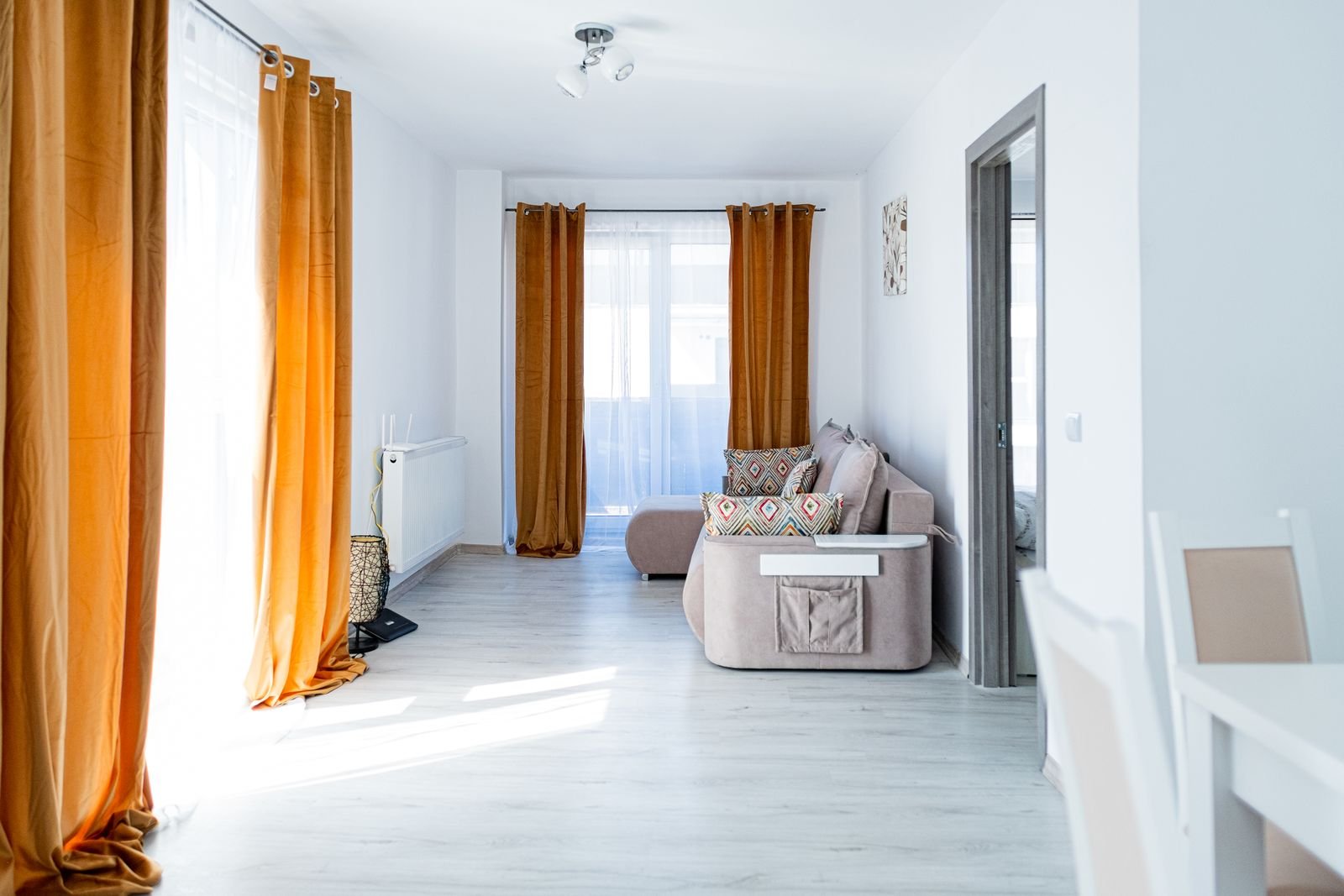
Rental windows usually arrive with blinds that rattle and stop halfway. Curtains fix the look and the light in one move, and none of it needs a drill. Tension rods sit inside the window frame by pressure alone and carry sheers and light panels easily. For heavier curtains, no-drill brackets that clamp over the existing blind headrail or grip the frame do the same job.
Hang the rod as high and wide as the setup permits — close to the ceiling line and beyond the frame’s edges — so the curtains stack back off the glass and the window reads taller than it is. Let the fabric just kiss the floor. A sheer behind a heavier panel earns its keep twice: privacy and soft light all day, real darkness at night. Curtains are also the fastest colour a rental can get — they cover more wall than any cushion, and they pack into one box when you move.
4. Light You Plug In, Not Wire In
Most rentals are lit by one ceiling fitting per room, chosen by a landlord, and it flattens everything. You cannot rewire — but you do not need to. Plug-in wall sconces with clamp fittings put light at reading height beside a sofa or bed. A plug-in pendant on a long cord moves the dining light to where the table actually is. Battery puck lights go in dark hallway corners where no socket exists, and rechargeable bulbs turn a thrifted lamp into a cordless one that can sit anywhere.
Layer it: one lamp where you read, one where you work, one low glow for the evening. Warm bulbs throughout, and keep every fitting you remove — the landlord’s shades, the original bulbs — labelled in one box, so the swap reverses in minutes. Light is the cheapest atmosphere there is, and in a rental it is entirely yours to change.

5. The Living Room: Furniture That Travels With You
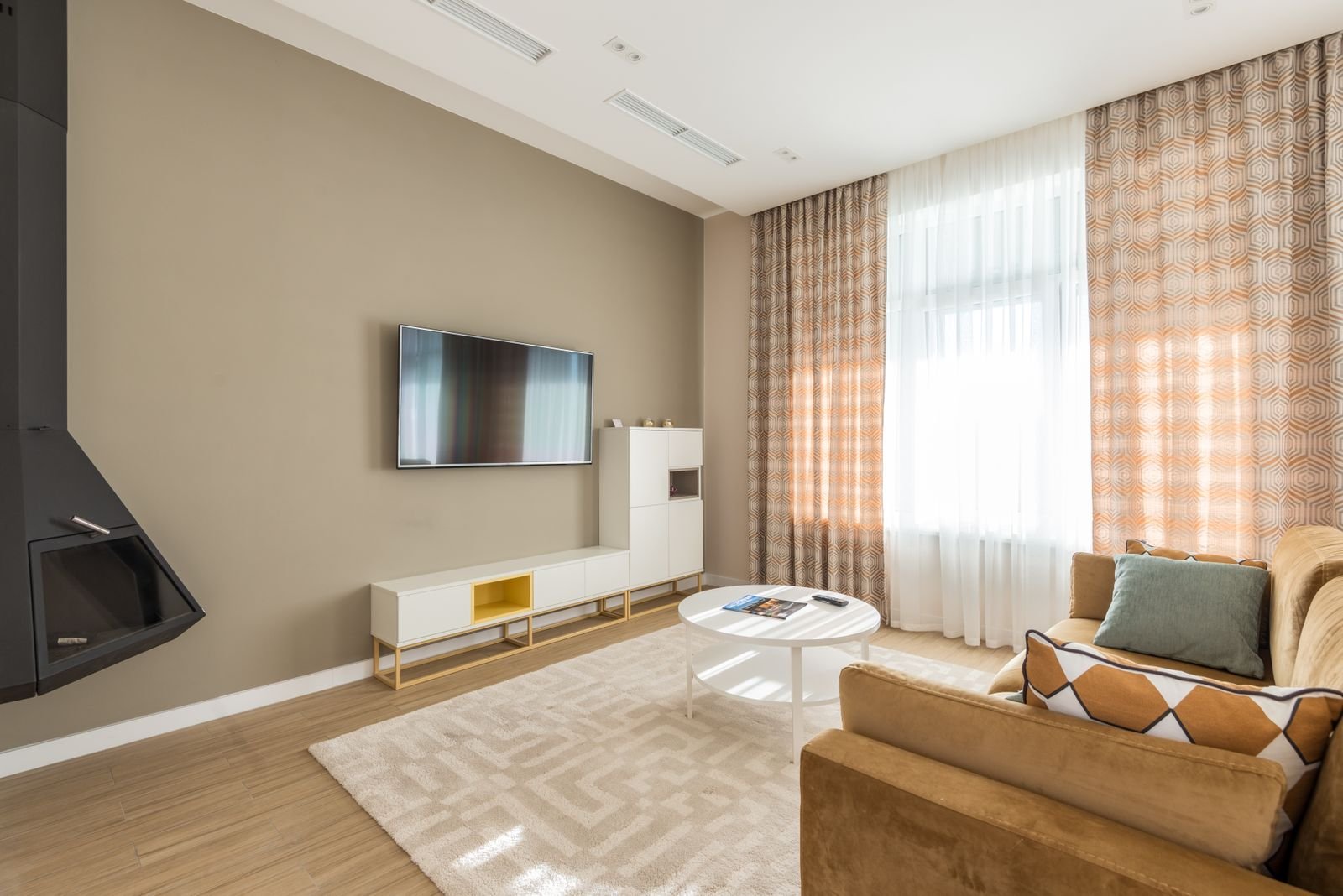
The living room is where the deposit-safe rules meet the biggest money, so spend it on pieces that earn their place in this home and the next one. A sofa in a forgiving mid-tone fabric, a coffee table light enough to move alone, nesting side tables that separate when guests come — these travel. Anything bought to fit one awkward alcove exactly should not; fitted pieces are donations waiting to happen.
Style the room in layers that all lift off: cushions and a throw for colour, a tray on the coffee table, plants for height in the corners. Our small living room cozy ideas on a budget go deeper on the layering; the renter’s addition is to check every layer against the rule — if it plugs in, leans, drapes or stands on the floor, it stays on the list. And the television: a stand, not a wall bracket.
6. The Bedroom: Layers You Own, Not the Room
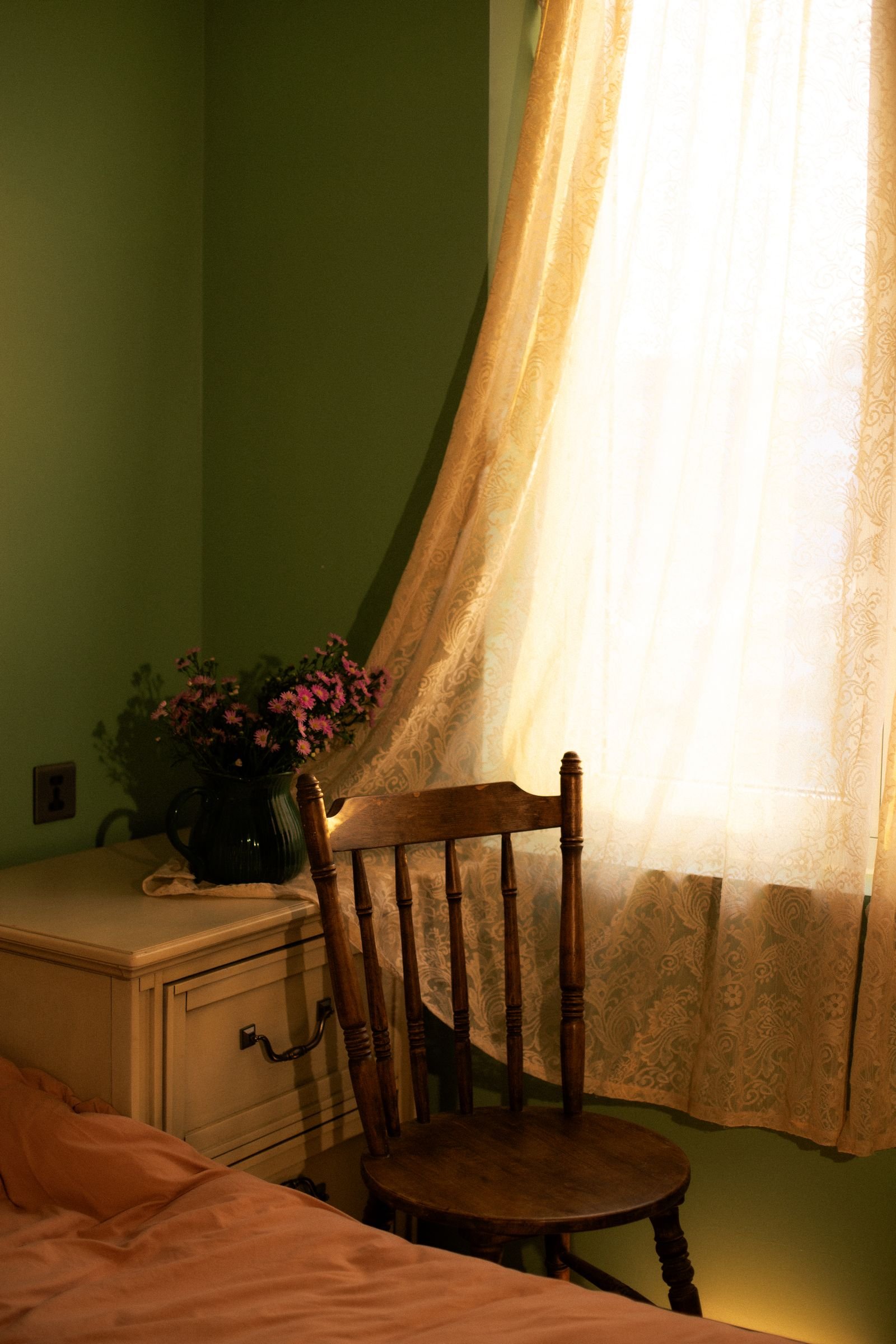
A rental bedroom is usually a white box with a window, which makes it the easiest room to transform — because almost everything that makes a bedroom feel personal is textile, and textiles are yours. Bedding first: a duvet cover in a colour you love, a throw across the foot, cushions mixing one pattern with plains. A rug beside the bed so the first step of the day lands softly. Curtains from Section 3, blackout-lined if the street is bright.
If there is no headboard, a folded throw draped over the bed frame’s top rail softens the wall behind the pillows — no fixings, no frame swap. Keep the landlord’s curtains and any furniture that came with the room stored and photographed as found, and the listing’s spare room becomes the room that is most yours.

7. Kitchen and Dining: Surfaces, Textiles and Swappable Hardware
Rental kitchens resist decorating because everything is fixed — cabinets, counters, tiles. Work on what is not. Peel-and-stick tile and counter coverings exist for exactly this room; apply the same test-patch caution as the walls. A washable runner along the worktop run changes the floor and the colour story at once. Tea towels, a fruit bowl, one plant on the sill — small, warm, and all removable by definition.
The hardware swap is the kitchen’s quiet triumph: cabinet knobs and drawer pulls unscrew in minutes, and a set in brushed brass or matte black makes builder cabinets look chosen. Bag the originals, label them by drawer, and the reversal is a ten-minute job at the end of the lease. In the dining area — often just one end of the living room — a plug-in pendant from Section 4 and a table runner give the corner its own identity without touching a wall.

8. The Entryway: A Landing Strip That Leaves No Trace
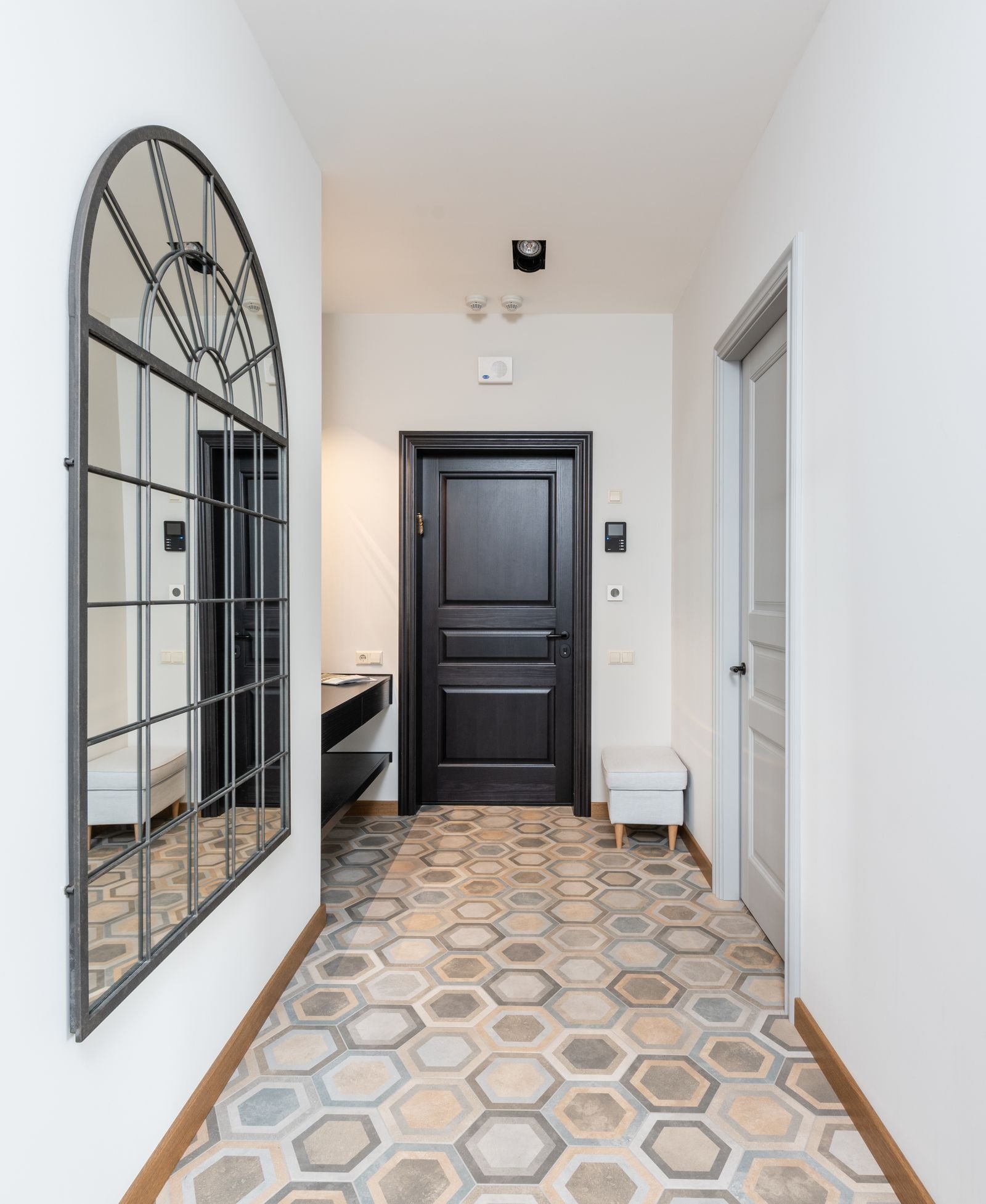
The entry sets the tone and collects the clutter, and in most rentals it is a bare stretch of wall by the door. Build the landing strip from freestanding pieces: a narrow bench, a mirror leaned or hung on adhesive strips to bounce light into the darkest part of the home, and a runner that takes the weather off your shoes. Over-door hooks carry coats without a single fixing.
Our guide to small entryway ideas for coats and shoes works through the layout options in detail; the renter’s filter is the same as everywhere else here — stands, leans, drapes or hooks over a door. The mirror deserves its emphasis: in a hallway with no window it doubles the light from every lamp you added in Section 4, and it is also the last-check moment before you leave.
9. Bathroom Small Swaps — and the Move-Out Test
The bathroom takes the smallest version of every idea above. A shower curtain is a full wall of colour you are allowed to change. Peel-and-stick floor tiles, tested first, warm up cold rental tiles. Towels, a bath mat and accessories carry the palette, and a small stool stands where a cabinet cannot be fitted. Keep this room closest to reversible — landlords look hardest here at inspection.
Which brings up the habit that protects the whole project: the move-out test, applied at purchase, not at packing. Before anything comes home, ask how it comes off or undone — and whether the original it replaces is stored, labelled and photographed. Keep one box for the whole home: landlord light shades, original knobs and pulls, curtain hardware and test-patch photos. Do that, and the final walkthrough is a formality.
The Renter Change Table
| Change | Why it works | Reversal at move-out |
|---|---|---|
| Oversized art, leaned | Gallery scale, no fixing at all | Lift it off and carry it out |
| Peel-and-stick wallpaper | Pattern and colour on the biggest surface | Peel off; test patch first |
| One large rug + pad | Hides rental floors, sets the palette | Roll up; pad leaves no residue |
| Curtains on tension rods / no-drill brackets | Height, colour, softer light | Rods release by hand; refit original blinds |
| Plug-in sconces and pendants | Light at the right height | Unplug; refit the landlord’s shades |
| Cabinet knobs and pulls swapped | Builder cabinets look chosen | Screw the labelled originals back on |
Renter Decor Questions
Will adhesive strips really hold a gallery wall?
Yes, within their weight rating — use strips rated above the frame’s weight, keep frames light, and press for the full time the packet states. Save heavy or valuable pieces for leaning or a picture ledge instead.
Is peel-and-stick wallpaper safe for my deposit?
It is designed to remove cleanly, but paint condition decides. Test a hidden patch for a few days first, choose products sold as removable, and avoid fresh or chalky paint. If the test patch lifts paint, use leaned art on that wall instead.
How do I hang curtains without drilling?
Tension rods inside the frame carry sheers and light panels; no-drill brackets that clamp to the frame or the existing blind headrail carry heavier curtains. Hang as high and wide as the hardware allows.
What is the best first purchase for a rental?
One large rug, after the free and nearly free wall fixes. It covers the floor you did not choose, sets the room’s colours, and moves with you to the next home.
How do I keep track of the landlord’s originals?
One labelled box for the whole home: light shades, bulbs, knobs, pulls and hardware, plus phone photos of each room as you found it.
Decorating a rental is not a lesser version of decorating — it is the same eye, working with a reversibility rule. Walls, floors and light here change in a weekend and come off in an afternoon: a home that looks like you, and a deposit back in full.